Jun 16, 2026
Author: Angelo Villagomez | Photos: Donica Payne
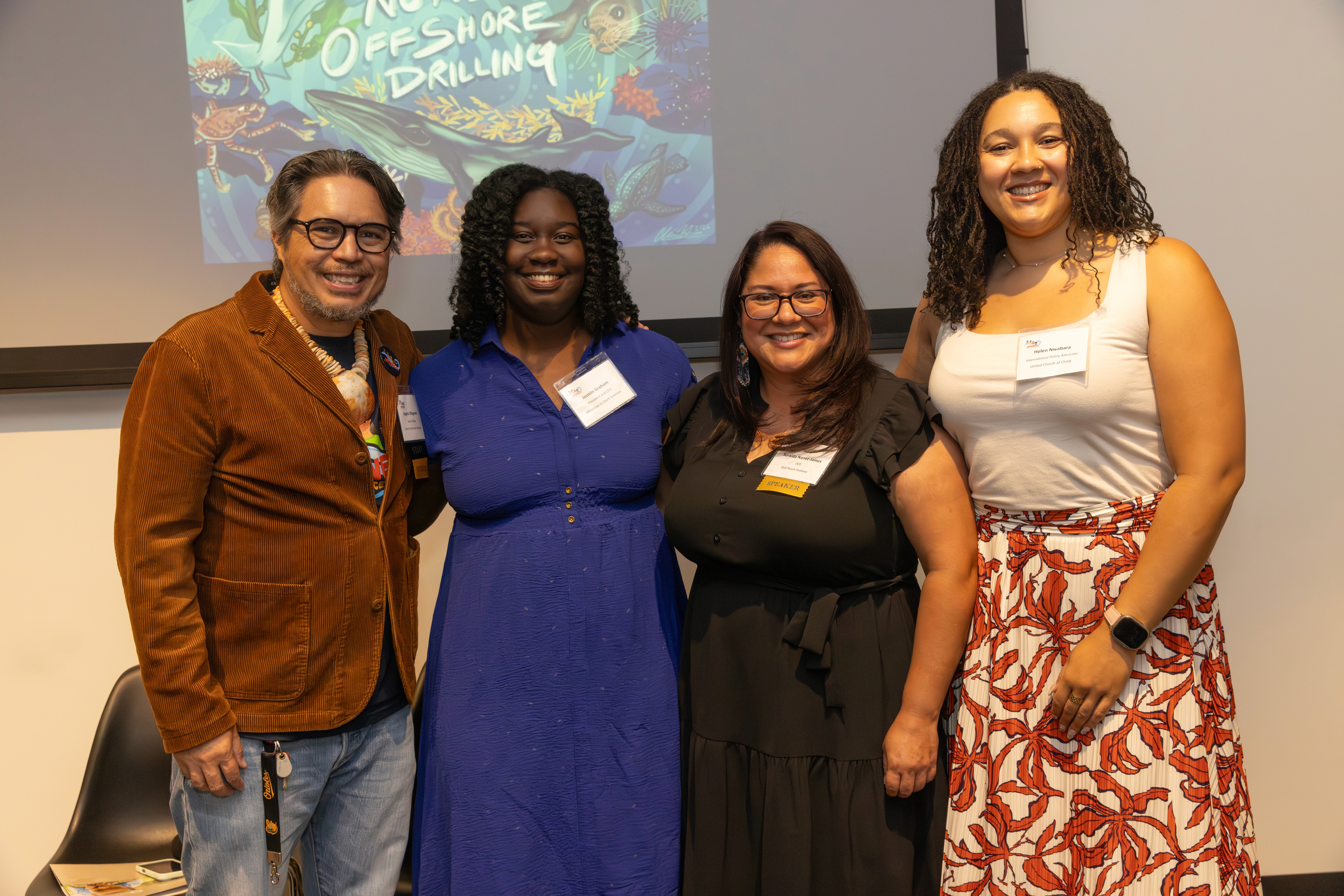
Photo: Former and current America the Beautiful for All Coalition Ocean Leads (left to right) Angelo Villagomez, Jasmin Graham, Suraida Nañez-James, and Helen Nwabara.
Belonging, Power, and Purpose: Lessons from Upwell 2026
On the first day of Upwell: A Wave Of Ocean Justice, in the minutes before the first policy session started, Basia Marcks, Ocean Defense Initiative, one of the co-organizers of the conference, started getting texts from colleagues and friends saying the session was full, there was standing room only, and people were fluttering about in the hallway trying to secure their spot to watch the panel discussion.
Basia and the organizers hastily pulled together a "streaming room" in one of the empty classrooms where overflow attendees could sit in and watch a livestream of the room down the hall. Even the overflow room became standing room only in a few minutes.
An hour later, when the first session on Decolonizing Conservation ended, the room was silent, people looked around seemingly wondering if they should clap – even though speakers in the other room might not hear. People in the room made eye contact with each other, smiled, and as everyone seemed to come to the same realization, they erupted in applause. According to Basia, this repeated for subsequent policy sessions throughout the day.
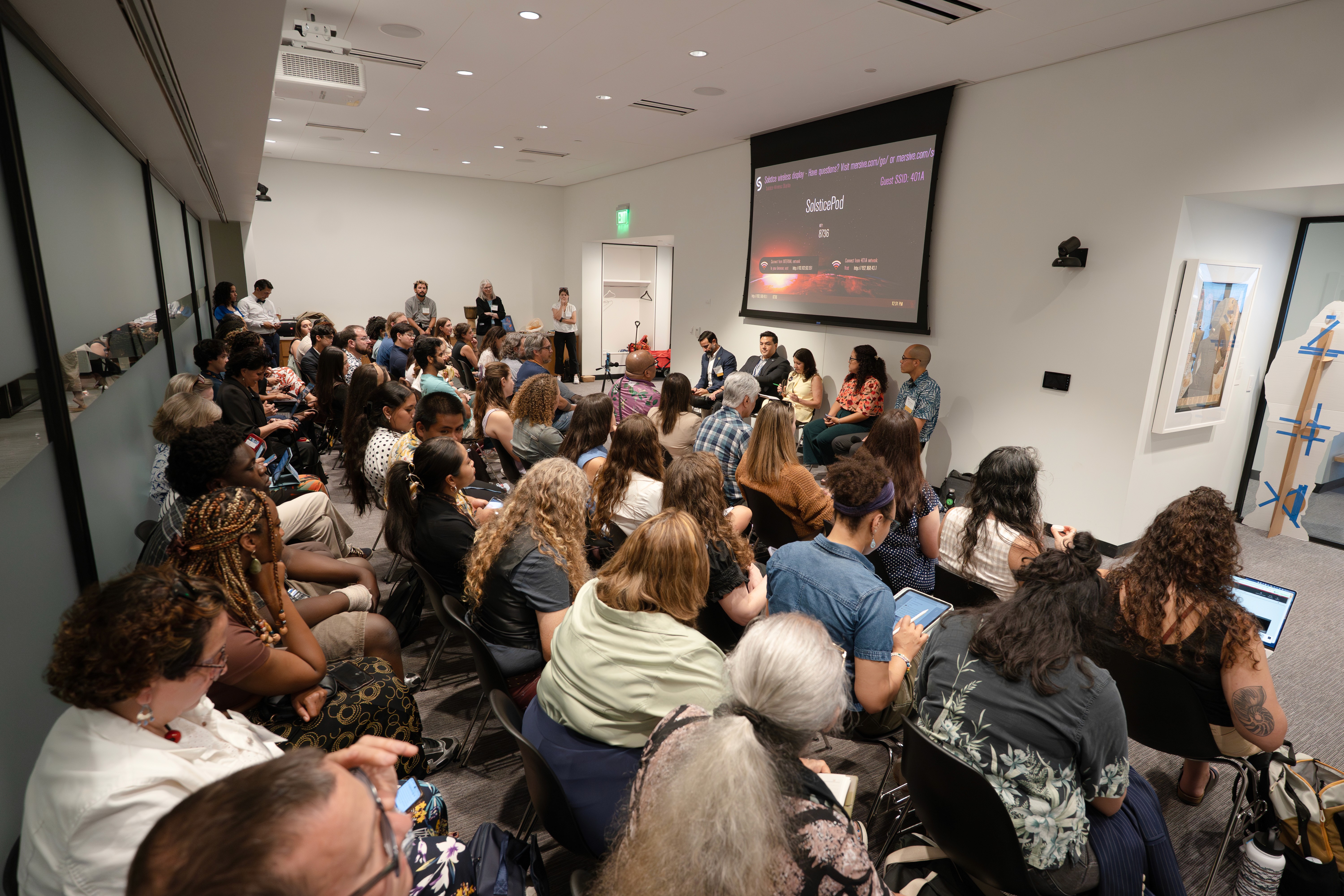
Photo: A packed room for the opening panel on Decolonizing Ocean Conservation
“There were so many authentic moments of human connection and this was one little one I appreciated,” said Basia. “I think its a really unique thing to bring people together for a work conference and for folks to find connections the way they do at Upwell.”
Upwell: A Wave of Ocean Justice, held at the Martin Luther King Jr. Memorial Library in Washington, DC on June 2-3, 2026, was more than just a conference; it was a powerful, transformative experience that resonated deeply with all who attended. Now in its fourth year, Upwell has become a cherished convening focused on equity, justice, and power, bringing together advocates, policymakers, researchers, Indigenous leaders, community organizers, and students. By creating a space that centers human connection and shared values, Upwell allows participants to explore how ocean conservation intersects with climate change, racial justice, and community leadership—fostering a sense of community that leaves attendees feeling inspired, seen, and empowered.
Of the hundreds of participants at the 2026 Upwell: A Wave of Ocean Justice conference, many were members of the America the Beautiful for All Coalition. Our diverse alliance of over 300 conservation, public health, and environmental justice organizations advocates for equitable access to nature, with a specific focus on empowering frontline communities and communities of color.
For coalition members, Upwell offered a transformative experience centered on joy, community resilience, and justice. Attendees shared that the event taught them about creating belonging, holding doors open, and redefining success in the movement.
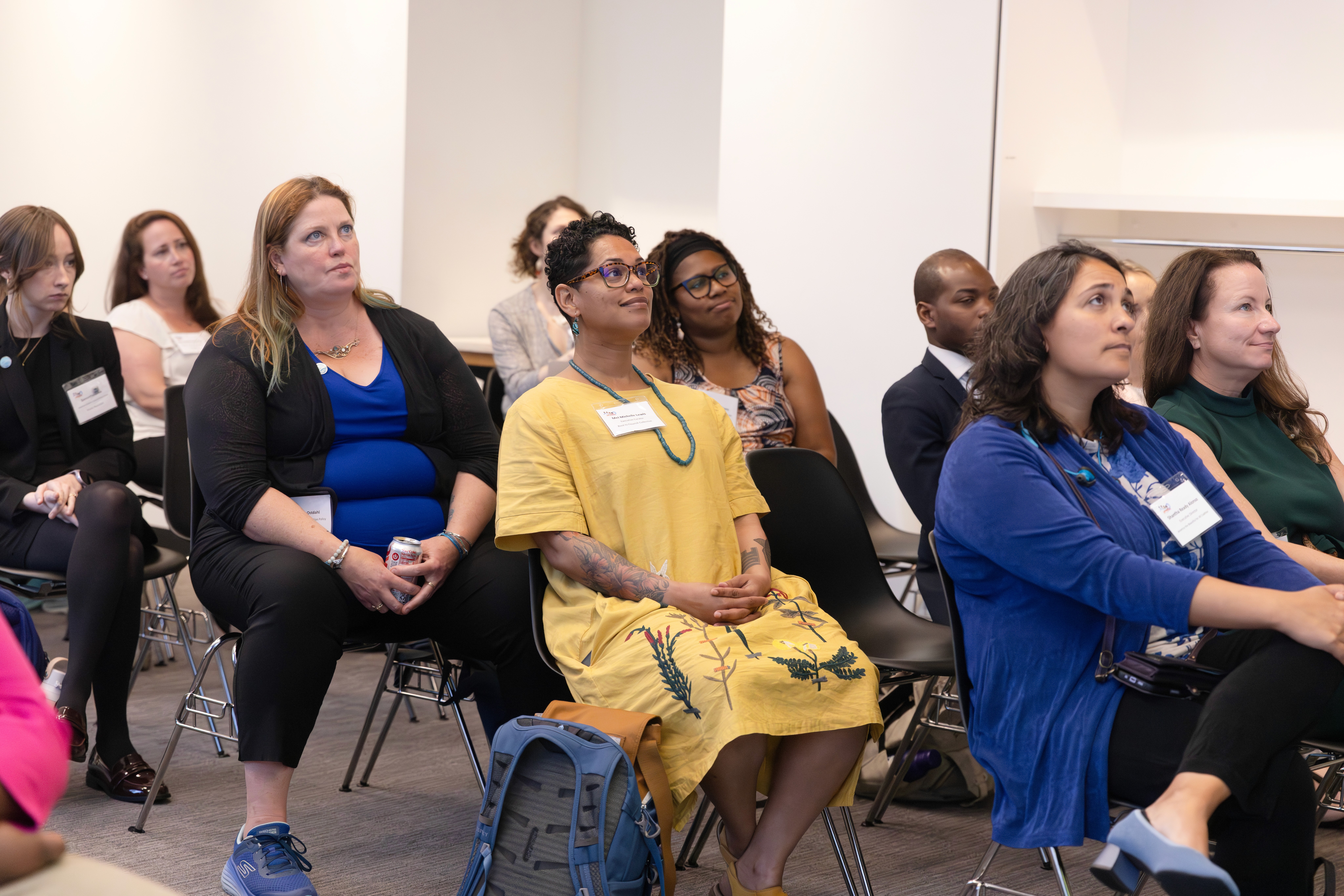
Photo: Upwell participants including Maggie Ostdahl, Mel Michelle Lewis, Shantha Ready Alsonso, Kim McIntyre during one of the learning and networking sessions hosted by Aquarium Conservation Partnership.
Shantha Ready Alonso, America the Beautiful for All Coalition, noted, “Upwell makes big policymaking and science conversations more human and accessible to everyday people who care about justice.” Reflecting on the impact, Jewel Tomasula, Endangered Species Coalition, stated, “Upwell is powerful,” while Maggie Ostdahl, National Aquarium, described the experience as “reenergizing.”
Others emphasized the unique atmosphere. Maria Guillamont, Futureswell, called it “a breath of fresh ocean air,” and Adriane Alicea, Green 2.0, remarked that Upwell “reminded me that we can still dream.” For Sarah Winter Whelan, Healthy Ocean Coalition, the event stood apart: “As someone who's attended many ocean conferences over the years, there isn't a single one that feels like Upwell.”
Dozens of coalition members attended the event, which was organized and hosted by the Aquarium Conservation Partnership, Azul, Center for American Progress, Earthjustice, Green 2.0, Natural Resources Defense Council, Ocean Defense Initiative, and Urban Ocean Lab. The following highlights capture what they learned and experienced during these two days.
Creating Belonging
Upwell creates a space that transcends the traditional conference model by fostering genuine human connection. Attendees consistently described an environment where they could show up as their full selves.
"A room where you feel like you belong," is how Kristin Butler, Earthjustice described the event. Mikayla Spencer, Ocean Conservancy added that the experience "serves as a reminder that we are all charged with a responsibility to the ocean while also making space for joy." This sense of joy and authenticity was palpable, as Héctor Varela-Vélez, Surfrider Foundation noted: "Seeing people feel free to express themselves, cheer, laugh, celebrate, and share authentically was truly unique. That energy, joy, and sense of belonging made the event much more than a conference; it became a space where people could genuinely connect and remember that we are not alone in this work."
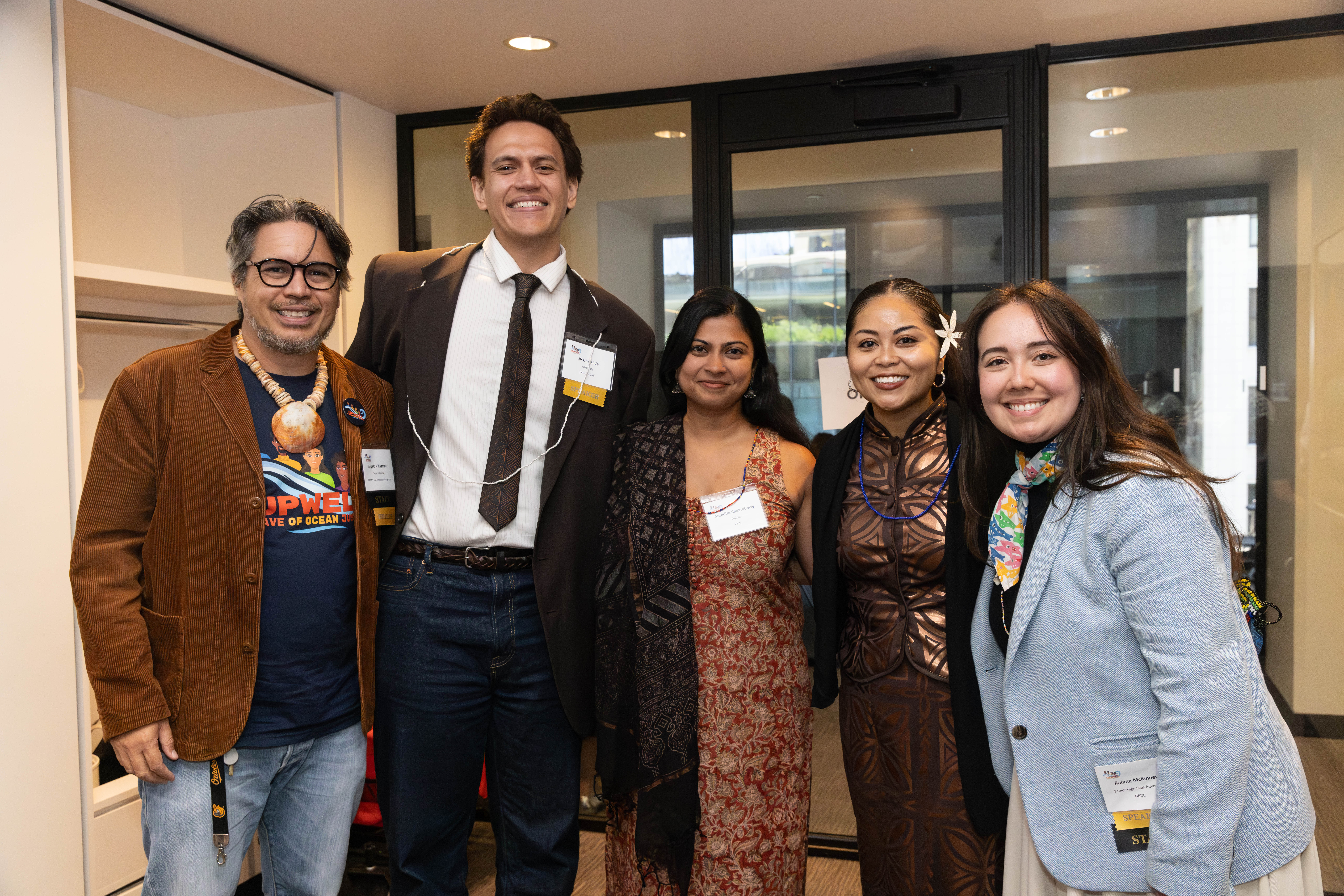
Photo: Deep Sea Mining panel (left to right): Angelo Villagomez, JV Langkilde, Anindita Chakraborty, Sabrina Suluai-Mahuka, and Raiana McKinney
The first day of Upwell was dedicated to learning and networking, with classrooms hosted throughout the library. These smaller settings facilitated deep discussions on topics ranging from Career and Capacity Building to Youth Advocacy and Ocean Policy. This atmosphere fostered a deep sense of community that many participants found transformative. Raiana McKinney, NRDC put it, "Upwell isn’t just another conference – it’s a space that fosters a community dedicated to shaping and advancing the next chapter of the ocean justice movement." This collective strength was evident throughout the event, with Angelo Villagomez, Center for American Progress observing, "The Upwell community is bigger, stronger, more organized, better equipped, tougher, absolutely fearless, and more prepared than ever before." Mel Michelle Lewis, Root to Flourish Collective echoed this sentiment, stating, "We witnessed the value of community care, intentional convening, and the incredible impact at the nexus of justice and equity in ocean policy."
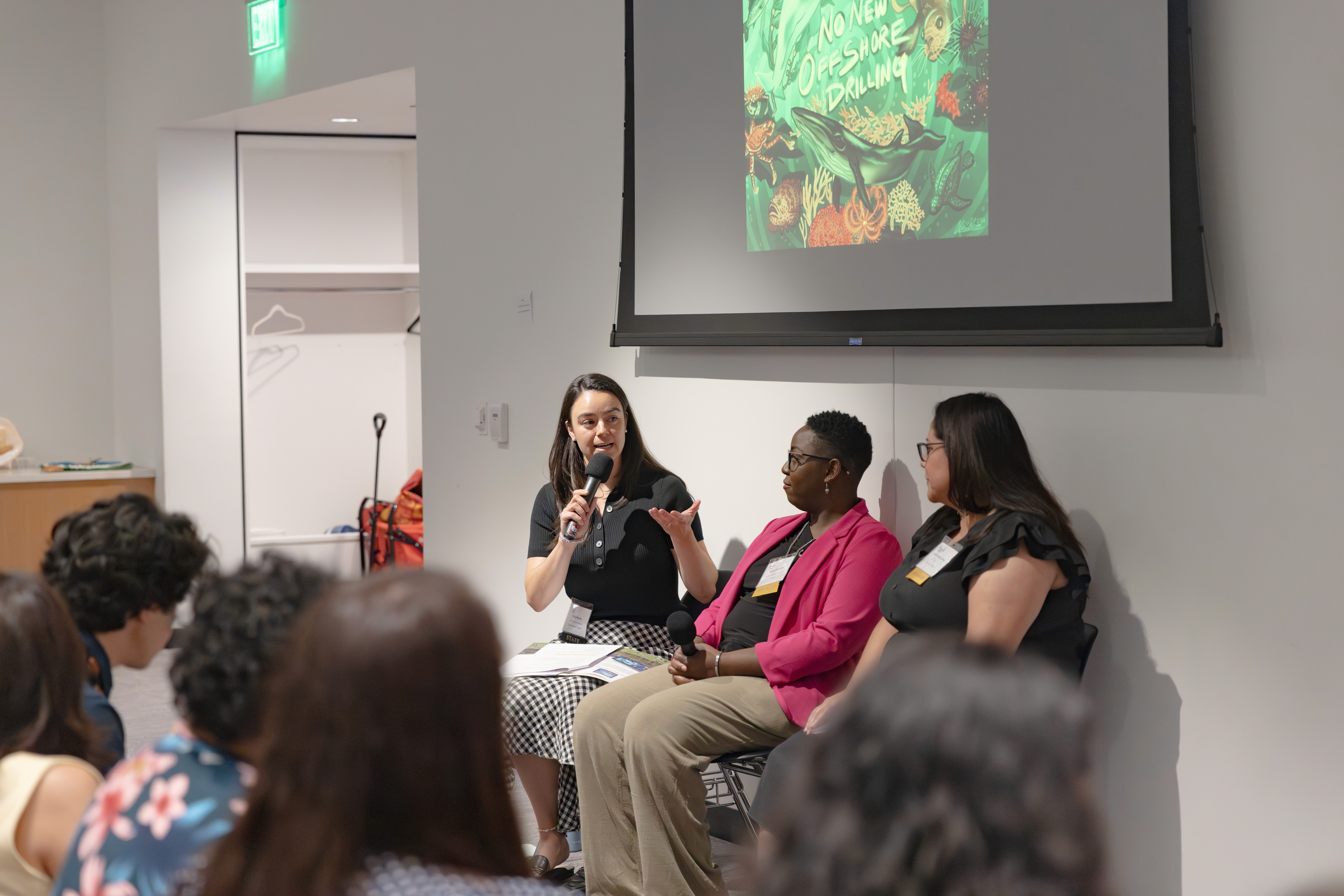
Photo: Basia Marcks, Alexcia Best-Gill, and Suraida Nañez-James speaking on the panel on Offshore Drilling
For individuals, this environment provided a vital sense of relief and validation. "I always walked away (from Upwell) feeling warm and heard," said Alexcia Best-Gill, Oceana. Others felt deeply moved by the inclusivity; one Anonymous participant shared, "Upwell is a relief valve of sorts for me. it's a place where I am not the only person of color in the room, it is deeply aligned with my values of justice and reparations from these colonial, capitalist, oppressive systems. I do not have to hide who I am and what my values are." Another Anonymous attendee expressed being "grateful to this space for making me feel less alone in my struggles; and for showing me that a regenerative, decolonial ocean conservation world is possible."
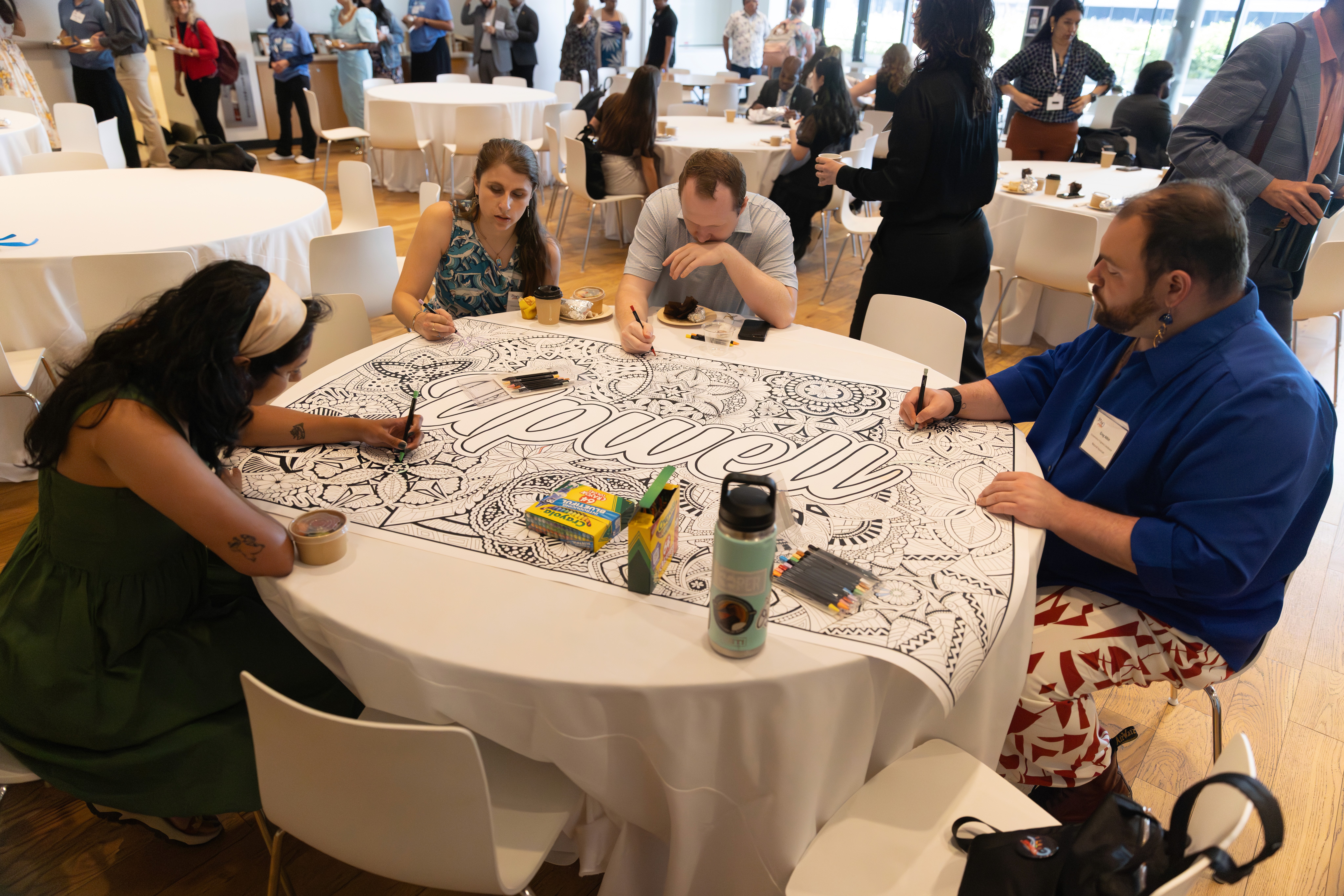
Photo: Upwell attendees at the coloring table
Holding Doors Open
Real progress in ocean conservation depends not just on having a seat at the table, but on actively expanding that space for others. For the seasoned professionals who have already secured a foothold in the movement, especially those from marginalized backgrounds, there is a clear imperative to hold the door open for those coming behind them. This requires moving beyond simple representation to intentional advocacy and power-sharing.
As Kat So, Center for American Progress, emphasized, “The ocean community is stronger when we share power and opportunities. It's not enough to open the door for others, but we must bring others through with respect, kindness, and compassion.”
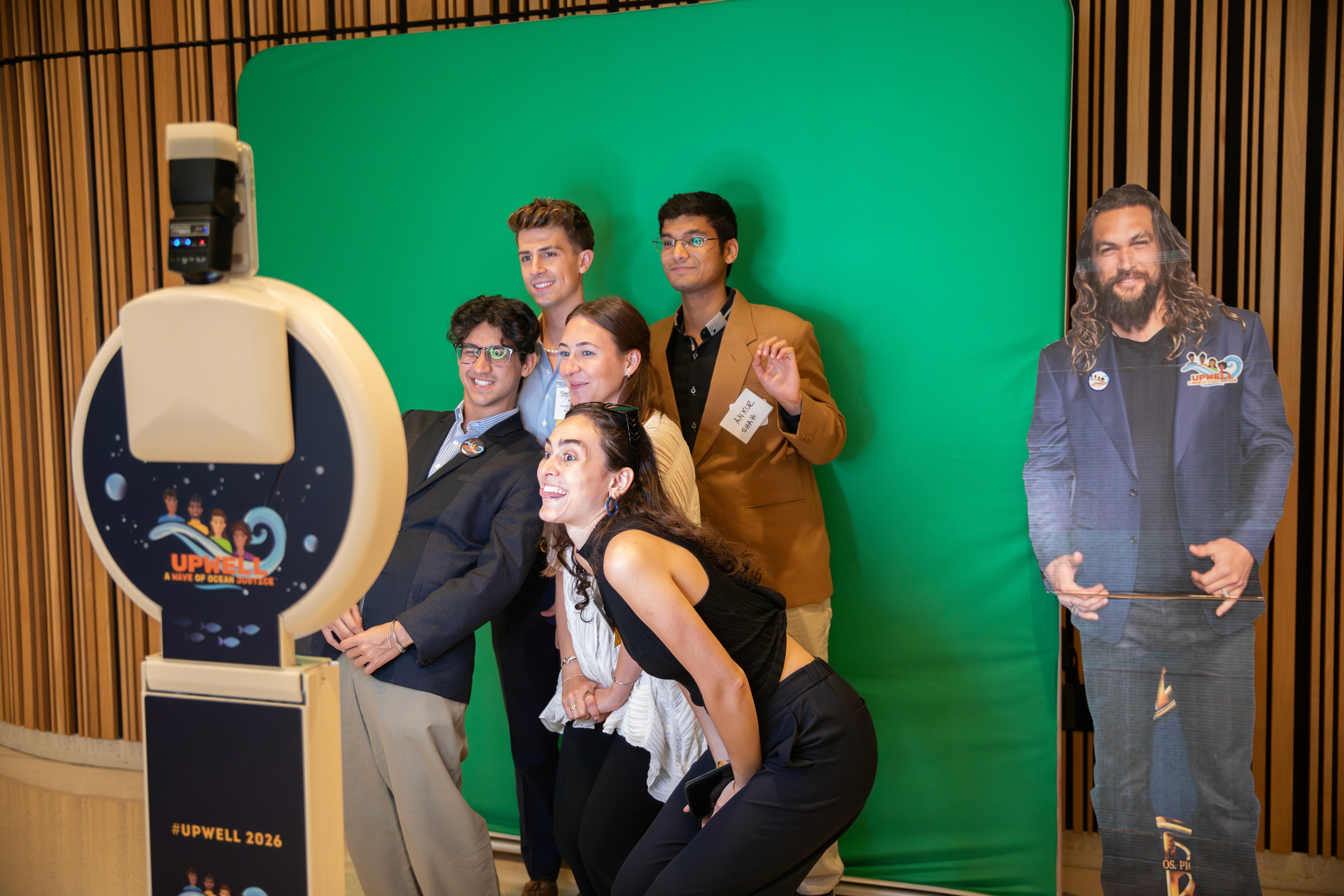
Photo: Social media influencers Mark Haver, Maria Guillamont, and Lexi Addison, with other Upwell participants at the photo booth and the cardboard cutout of Jason Momoa.
This duty extends to how organizations leverage their influence to bridge the gap between frontline communities and decision-makers. Mark Losavio, Aquarium Conservation Partnership, noted that for their organization, the work is about access: “we’re proud to bring those communities to D.C. to speak about those places to the very people with the power to protect them.”
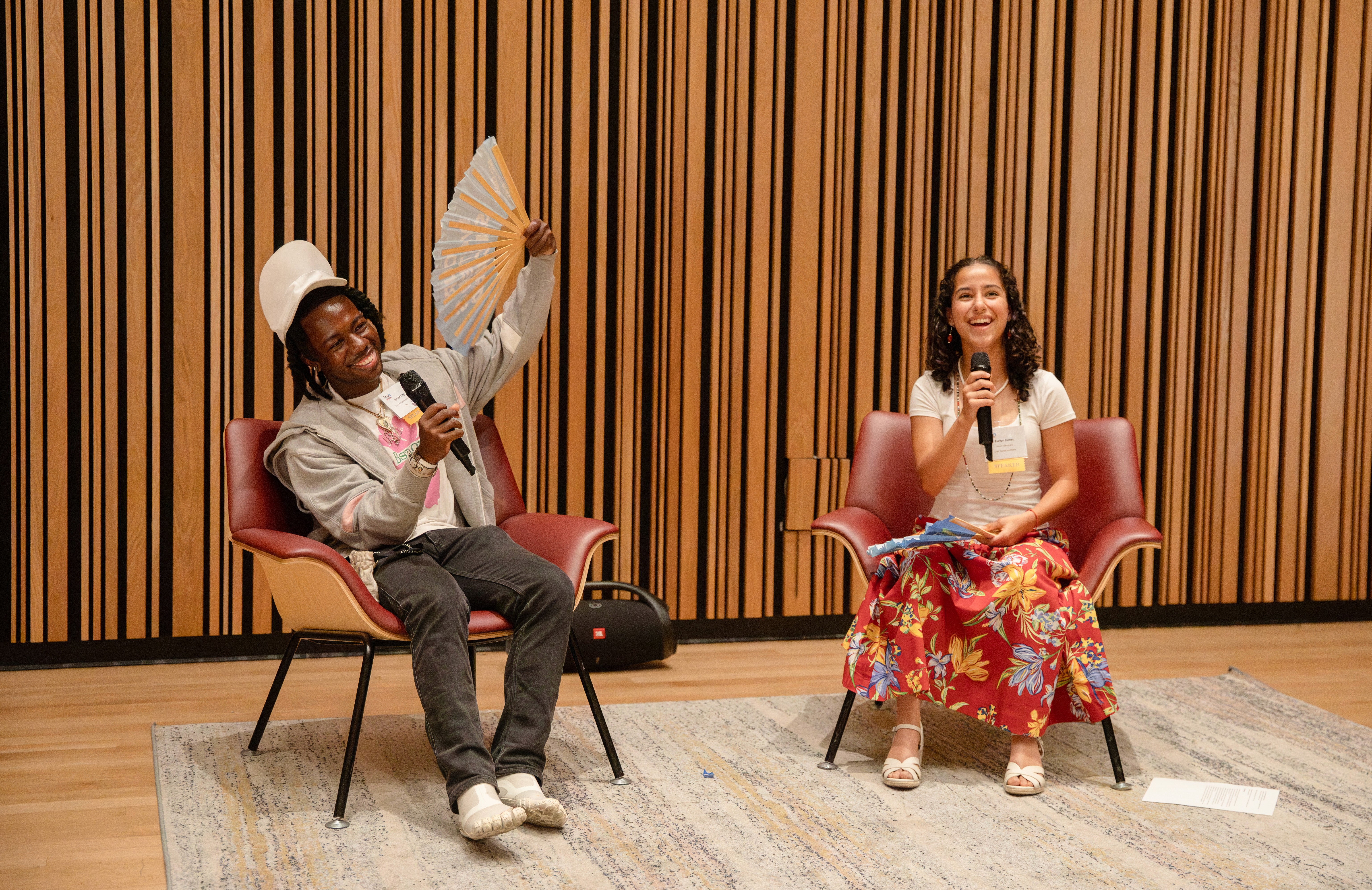
Photo: Evelyn James interviews Jordon King
When this support is provided, it creates a powerful cycle of inspiration and possibility. For 12-year-old Evelyn James, Gulf Reach Institute, seeing representation on stage changed her trajectory. When she watched the “In Conversation” portion of Upwell in 2024, she realized, "That's something I want to do." Two years later, that vision became a reality when she returned to the conference, not as a spectator, but as an active participant, interviewing social media star and scientist Jordon King.
This intergenerational momentum is exactly what the movement needs. Reflecting on the impact of these emerging leaders, Maggie Ostdahl, National Aquarium, shared that she is “inspired by the flotilla of smart, creative and determined young(er) people who shared their diverse stories.”
Decolonizing Conservation
The five U.S. territories are central to the nation's ocean health, as they encompass 30% of all U.S. waters. Despite their critical importance to national environmental goals, they are frequently left out of the most significant policy discussions. Alissa Weinman, National Caucus of Environmental Legislators said, “From coral reef protections to fights against deep sea mining, the territories are where some of the most powerful and impactful ocean conservation work is happening.”
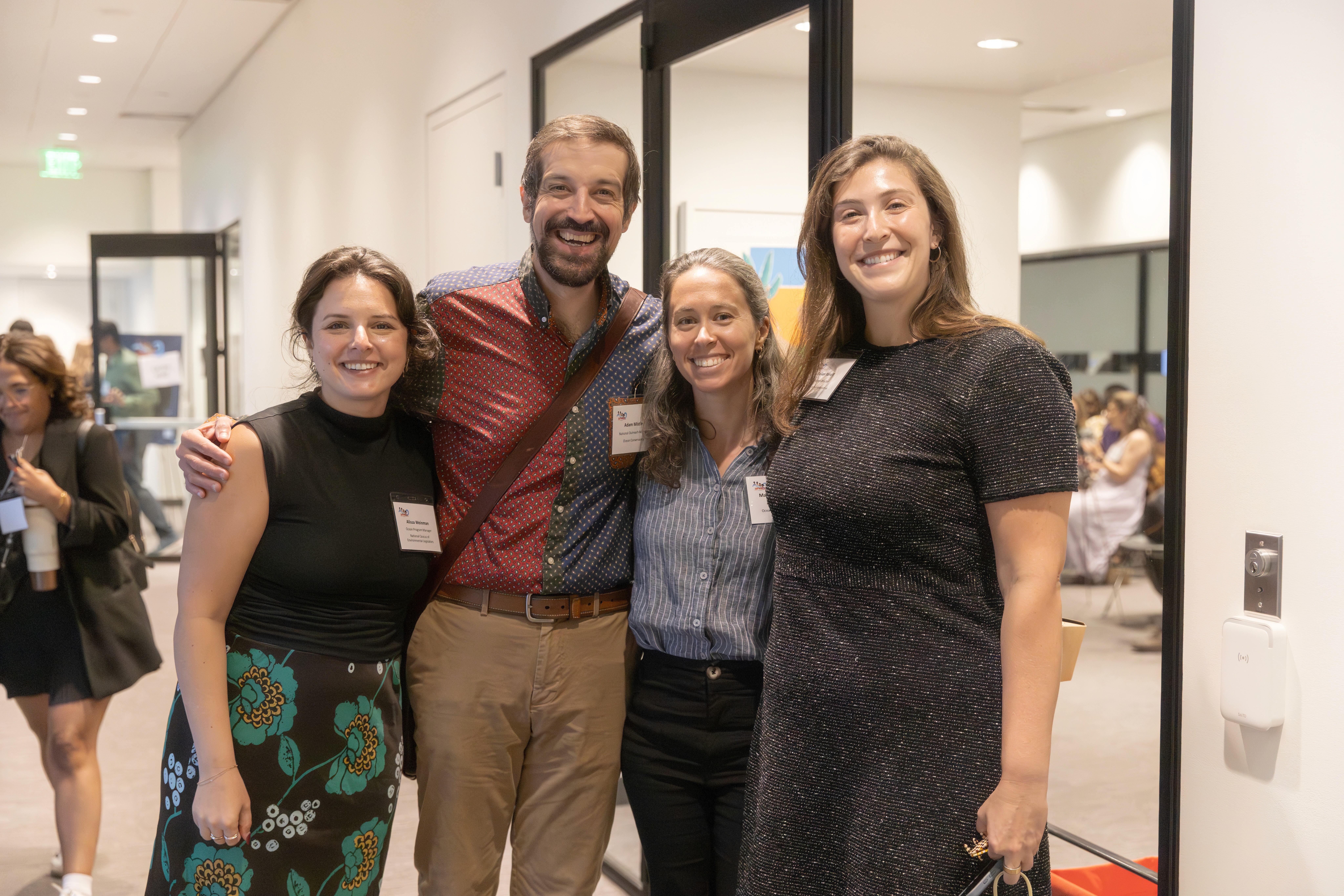
Photo: Alissa Weinman, Adam Mistler, Margaret Morrison, and Callan Yanoff
This exclusion creates a paradox: while the territories are vital to U.S. conservation success, they face systemic barriers to support and recognition. As Tracy Farrell, IUCN, pointed out, “US territories…face challenges analogous to those of small island developing states in the Global South, yet they cannot access the international climate and biodiversity finance flows.” She added, “At the same time, they lack the full political voice and federal resource access that US states enjoy when advocating for their coastal and ocean management needs. This is a gap that those of us working at the intersection of global conservation finance and US domestic policy need to take seriously.”
Addressing these systemic gaps requires a fundamental shift in how the conservation movement defines expertise and leadership. This transition toward a decolonized approach begins with centering the voices of those who live in and care for these waters. Haley Stein, Inland Ocean Coalition, emphasized that this focus is essential for progress: “Uplifting voices from the frontline is non-negotiable.”
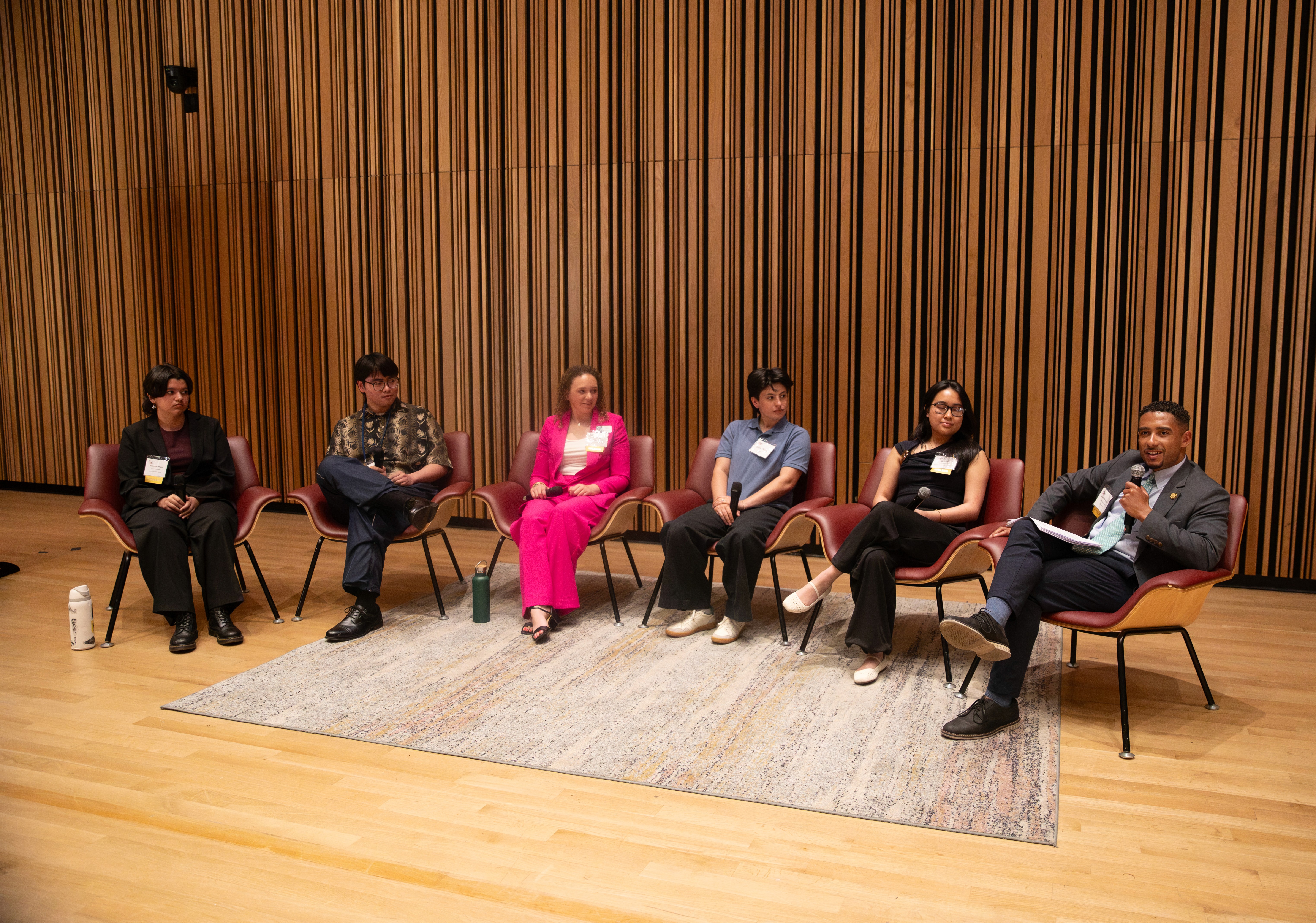
Photo: Panel on Youth Ocean and Freshwater Advocates (left to right) Bella Monroy, Jhaylin Cruz, Mary Klene, Alejandra Campos, Lia Escober, and Aundré Bumgardner.
This sentiment was echoed by Jhaylin Cruz, EarthEcho International, who highlighted that effective conservation is rooted in people rather than just policy: “ocean conservation isn't just about data, boundaries, or regulations. It's about fishermen, coastal communities, Indigenous communities, and young advocates.” By broadening the scope of the movement, conservation can tap into existing, time-tested wisdom. Maria Guillamont, Futureswell, noted, “Upwell taught me that all of the solutions are already here, that they've already been discovered and implemented, and that the first step towards positive change is to listen to those who have been stewarding our oceans since time immemorial.”
Ultimately, decolonizing conservation means recognizing that territorial communities are not just stakeholders, but leaders whose agency and consent are central to a healthy democracy. Sofia Metzler Concepción, Hispanic Access Foundation, reflected on this during the panel, stating that agency is an integral part of democracy and that you need consent from the people you are governing over. She concluded with a vital reminder for policymakers to “respect the will and consent of the people you are representing and serving.”
Growing Resilience and Hope
The second day moved to the main stage, where the focus shifted to broader systemic issues and the necessity of finding hope through community. In the face of daunting environmental and social challenges, the conference served as a powerful reminder of the resilience found in collective action. For many, the experience was deeply personal; Adi G. Martínez Román, Right To Democracy, described the atmosphere as both “inspiring and healing.”
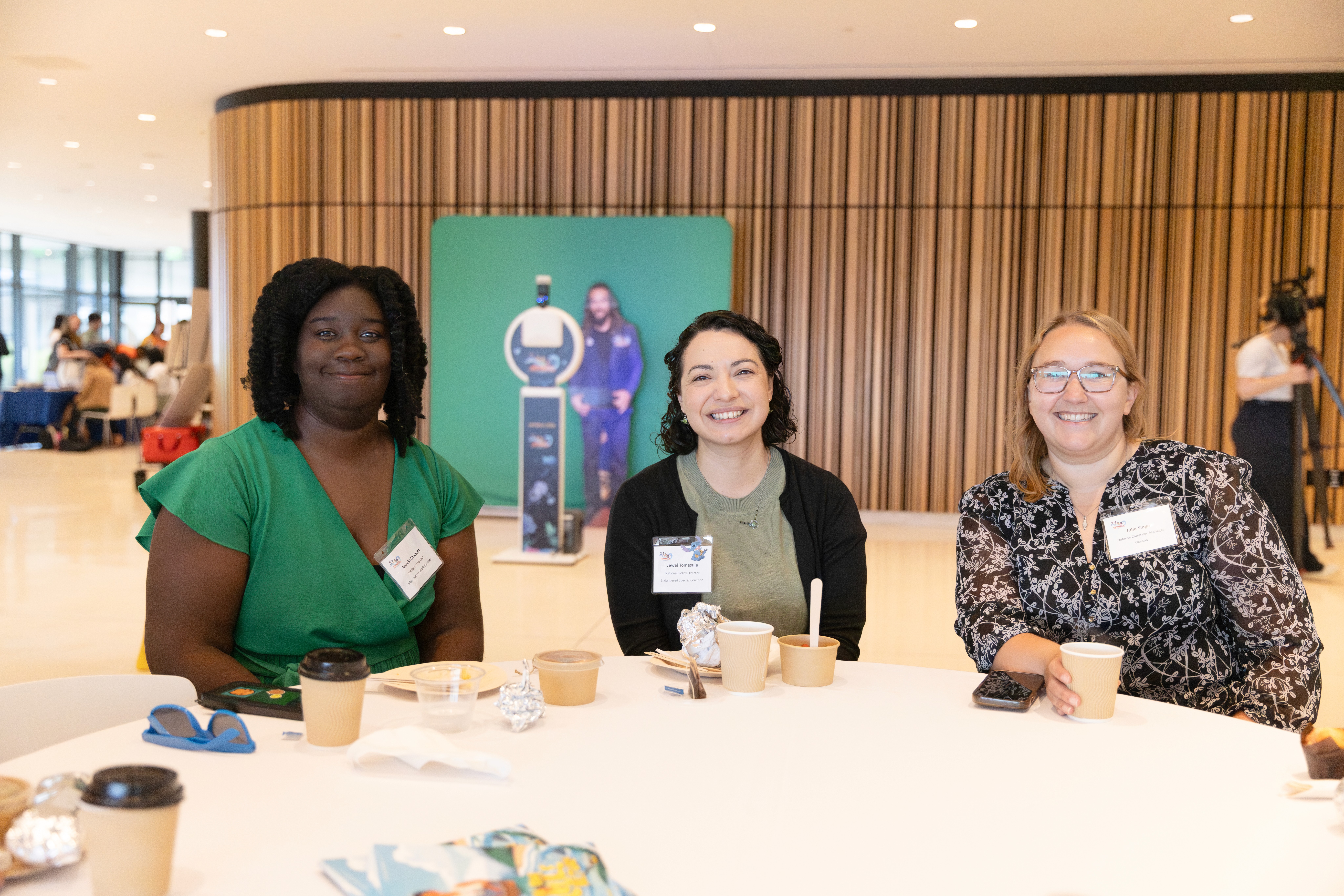
Photo: Jasmin Graham, Jewel Tomasula, and Julia Singer
Central to this resilience is the realization that the struggle for ocean justice is a shared one. As Jasmin Graham, Minorities in Shark Science, noted, “Upwell was a great reminder that we don't fight alone.” This sense of solidarity is reinforced by a focus on the human elements of conservation. W. Grey Gowder, Carolina Ocean Alliance, emphasized that “to create truly equitable and lasting progress in ocean justice we must center communities, love, and the stories that build connect ion to place and to each other.”
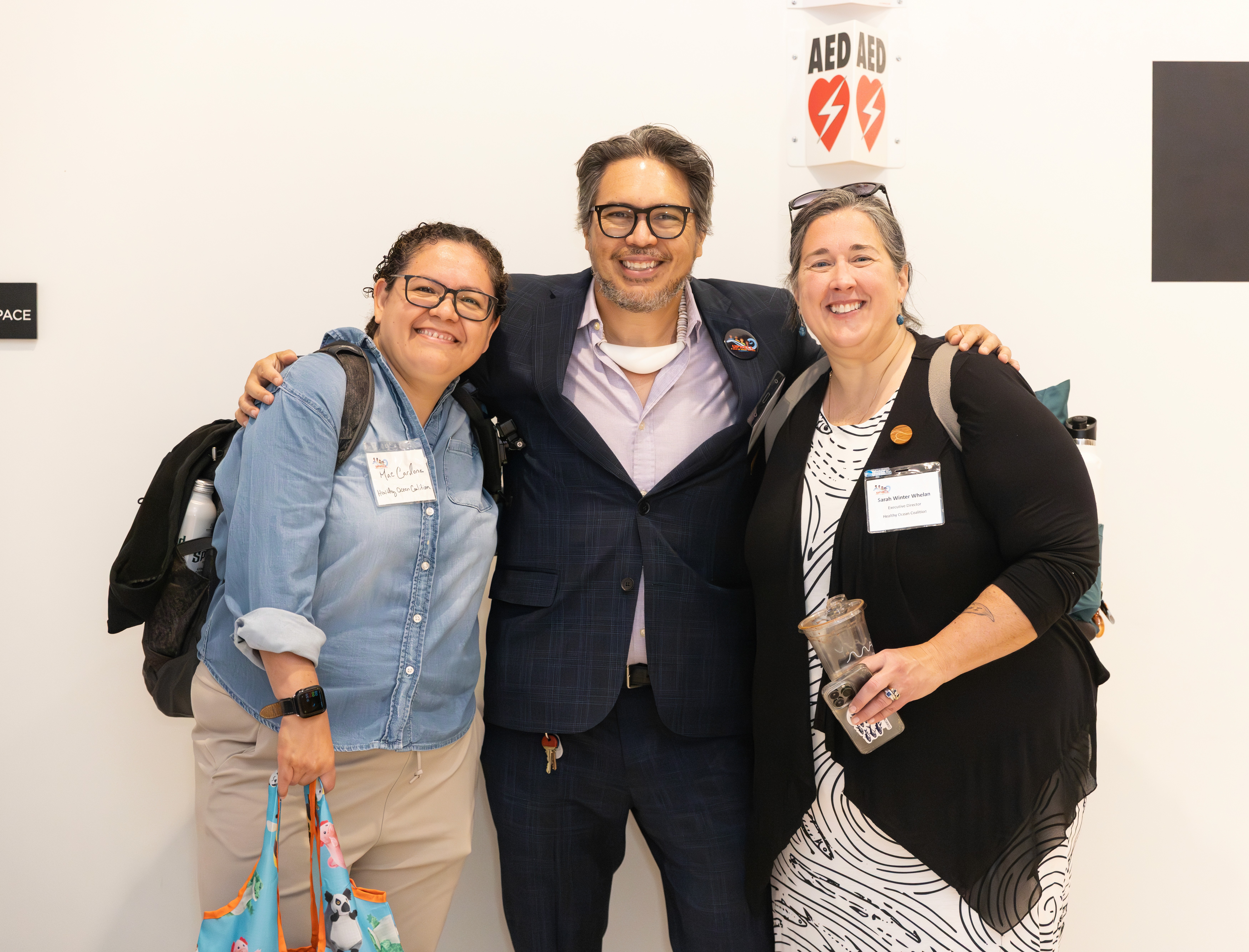
Photo: Mac Cardona, Angelo Villagomez, and Sarah Winter Whelan
Storytelling emerged as a vital tool for building these connections and sustaining hope. Mark Haver, Futureswell, observed that “it was inspiring to see how people and organizations are placing value on storytelling through campaigns and narrative-building.” These shared narratives are not just for reflection but serve as a catalyst for future change. Mickey Rogers, Sustainable Ocean Alliance DMV, concluded that “Upwell provides the platform through which our collective stories are shared so our community can turn them into action.”
Redefining Knowledge and Success
A central theme of the conference was the fundamental reexamination of what constitutes expertise and how success is measured in the conservation movement. This shift begins with recognizing that the power to lead has always been present within local communities. As Steven Mana‘oakamai Johnson, Cornell University, noted, “the talent, skills, and experience to lead in ocean conservation has always existed in the islands and we are out here as world-class leaders.” This innate leadership is grounded in a deep, personal connection to the environment, reinforcing the idea that academic credentials are not the only valid form of knowledge. Willow Wrigten, EarthEcho International, reflected on this realization: “Someone at Upwell told me to never forget that lived experience is expertise enough.”
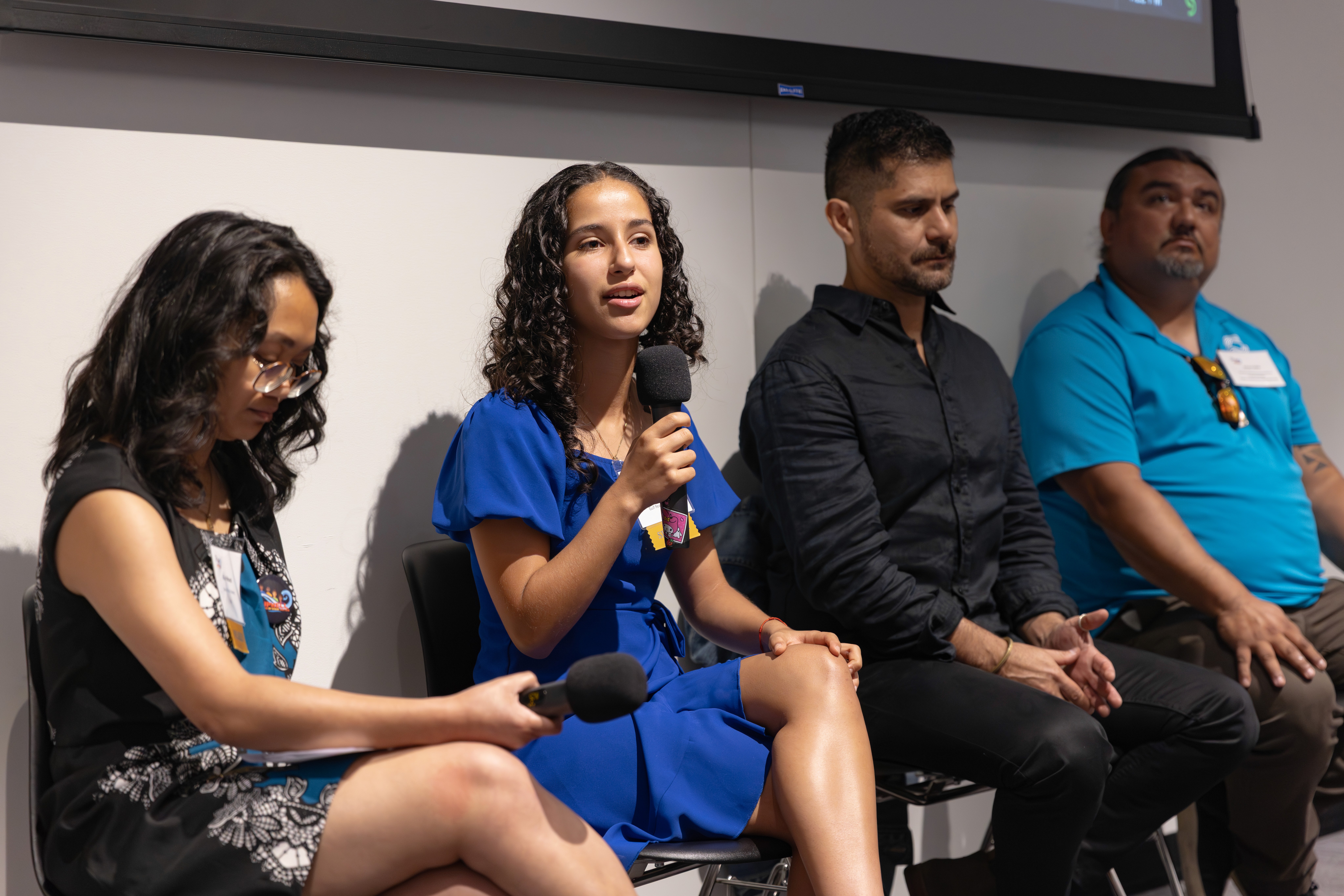
Photo: Alia Hidayat, Evelyn James, Carlos Zegarra, and Koiya Tuttle speak on the panel on Building the Next Era of US Ocean Conservation
Embracing these diverse perspectives also means fostering a culture of rigorous, respectful discourse where difficult truths can be spoken. Anindita Chakraborty explained that “respect and affording another counter point dignity does not and has never meant acquiescence or compliance. It does not mean avoiding hard questions or withholding criticism when something matters.” This commitment to honest engagement ensures that the movement remains grounded in the actual needs of those most affected by policy. Carlos Zegarra, Sachamama, added that “gatherings like this are essential to deepening our understanding of the needs and realities of communities on the ground, ensuring that the solutions we build are grounded in those lived experiences.”
Ultimately, redefining success means looking toward long-standing traditions of stewardship and intersecting environmental goals with daily human struggles. Maria Guillamont, Futureswell, observed, “Upwell taught me that all of the solutions are already here, that they've already been discovered and implemented, and that the first step towards positive change is to listen to those who have been stewarding our oceans since time immemorial.” By integrating these solutions with a broader social justice lens, the movement can address the root causes of inequity. As Daphne Lundi, Urban Ocean Lab, concluded, “We have to understand how our work intersects with the challenges that people are navigating in their everyday lives: access to quality affordable housing, economic justice, and prioritizing voices that are often left out.”
Learning Intergenerationally and Interdisciplinarily
To build a resilient and lasting ocean conservation movement, we must move beyond siloed approaches. Success depends on embracing both interdisciplinary expertise—integrating policy, science, and lived experience—and robust intergenerational collaboration. By actively weaving these different perspectives together, the movement can bridge gaps between professional policy spheres and the frontline communities where the ocean is truly lived and experienced.
Creating spaces that prioritize this convergence is essential. Ayana Melvan, Aquarium Conservation Partnership, noted that "bringing both professional and youth representatives from 15 members of the Aquarium Conservation Partnership is our favorite way to convene a space in DC." This intentional mix of expertise yields better results, as Jen Felt, Conservation Law Foundation, observed: "Connecting with and learning from people living in coastal areas across the country, including the U.S. territories, was inspiring and highlighted the need to harness the power of community in the development of marine policy."
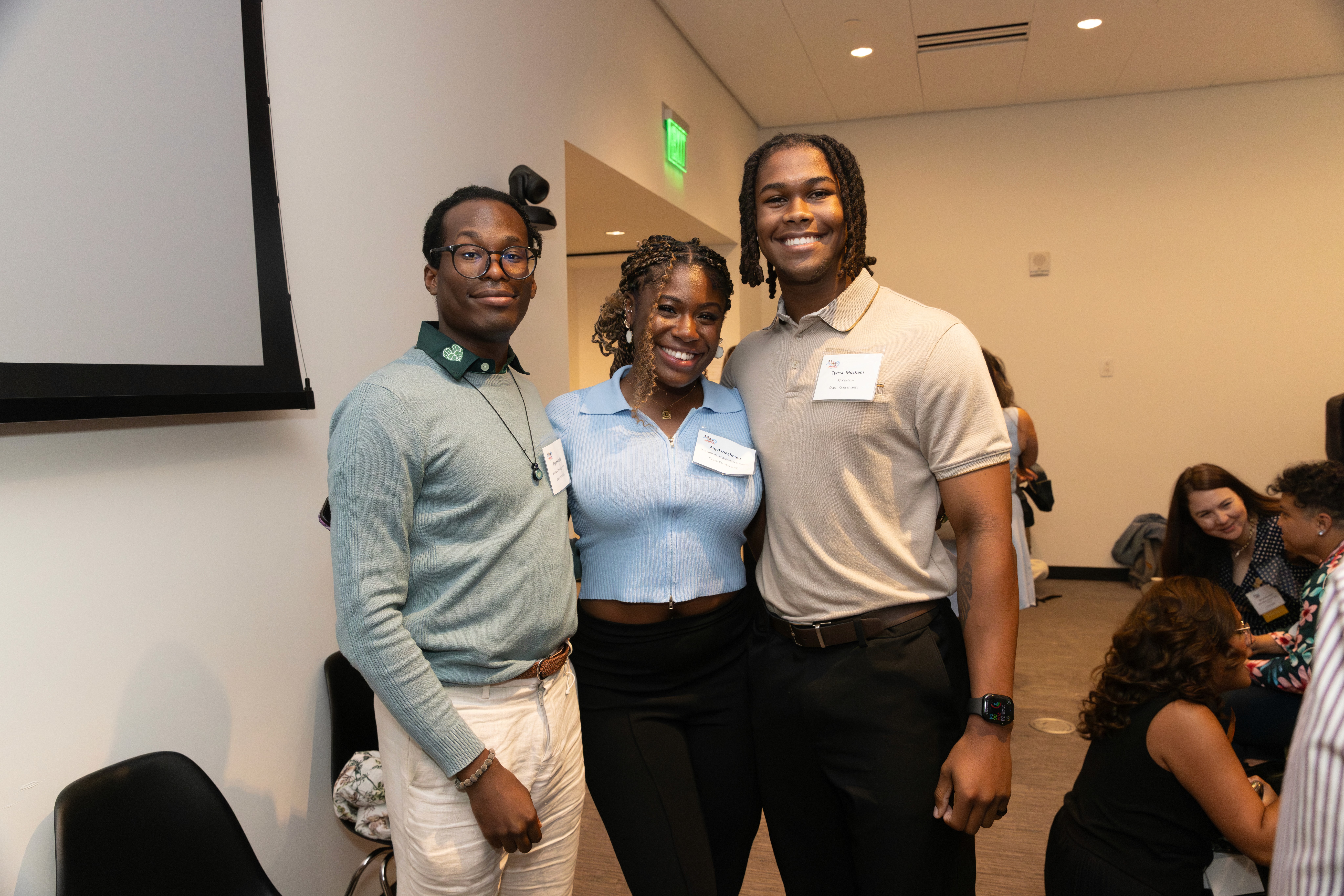
Photo: Aspen Bataille, Anjel Iriaghomo, and Tyrese Mitchem
This interdisciplinary approach also creates opportunities to elevate new voices. For M. Aspen Bataille, Ocean Conservancy, a highlight was "the sessions that amplified early-career scientists leading impactful work despite obstacles, serving as a testament to resilience, and a call to embrace new public dialogues to create more informed solutions."
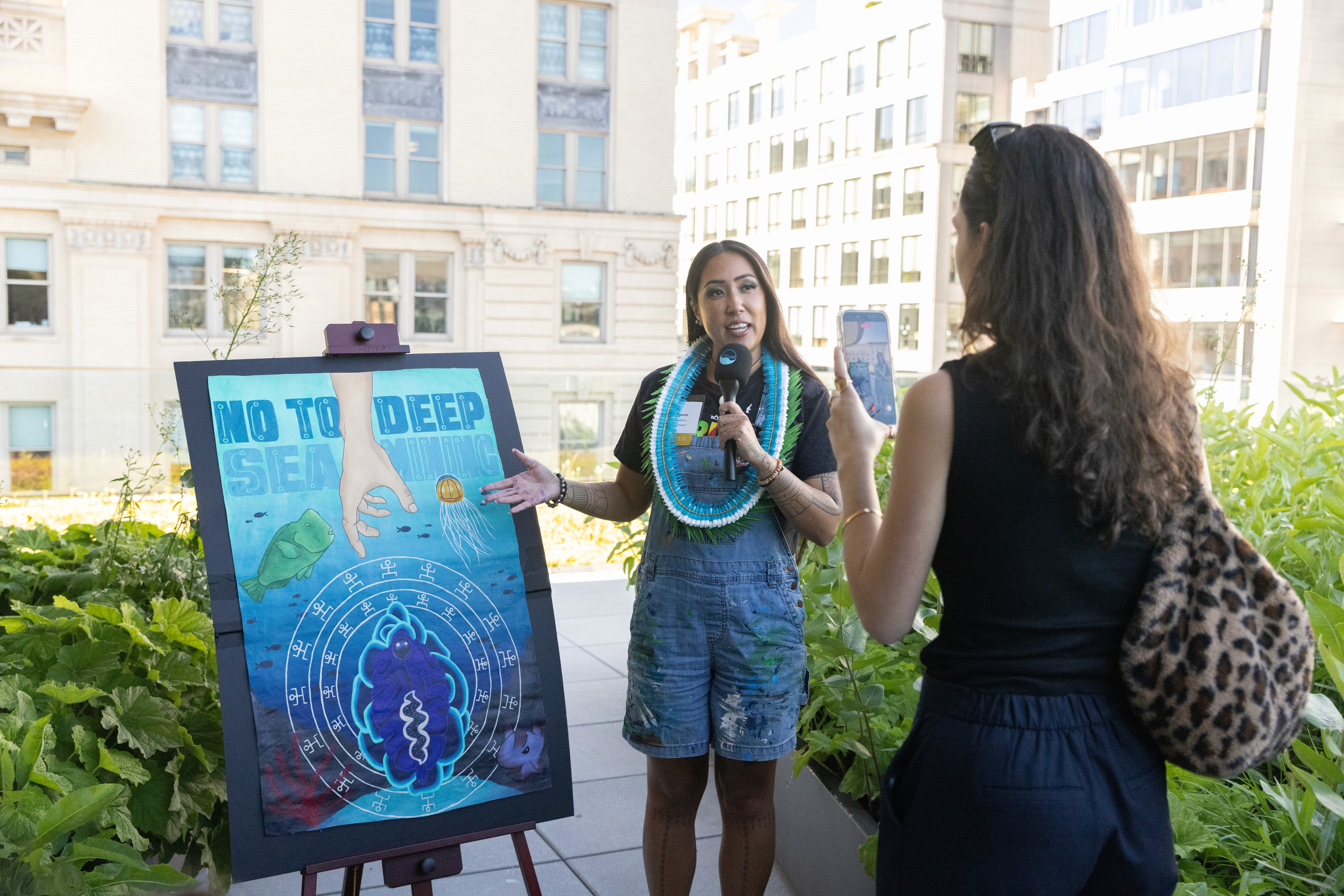
Photo: Maria Guillamont interviews Upwell Artist in Residence Gillian Dueñas
Central to this work is the recognition that our actions today echo far into the future. Andrew Thaler, Blackbeard Biologic, reminded attendees that "we have a duty, not just to our future, but to theirs." Suraida Nañez-James, Gulf Reach Institute, added, “together, we are stronger, and together, we are making an impact now and for the generations that will come after us.” This sentiment was also shared by Mataio Suluai, Finafinau, who noted, "The same decisions being made today, will shape generations we will never meet." He added, "It made everyone remember that when we fight for the deep sea, we are also fighting for the people we may never meet."
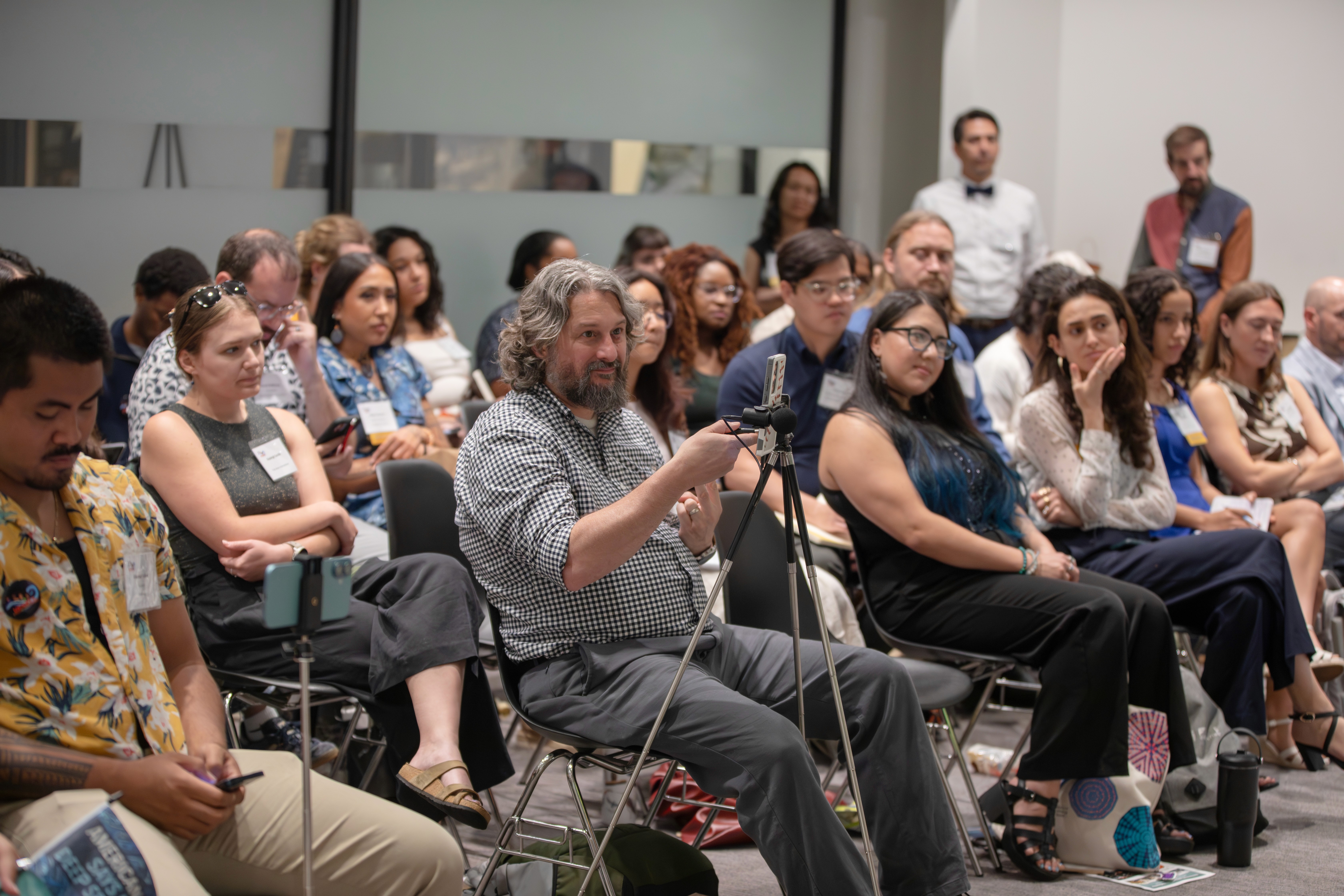
Photo: Andrew Thaler helps with the livestream in the Policy Track room on Day 1
Ultimately, intergenerational work is about empowerment through accessibility. Sofia Barboza, Hispanic Access Foundation, was inspired by a panel with LaKendra McNair, noting that "it was a powerful reminder about meeting people where they are and about the importance of meaningful access to ocean spaces." By dismantling barriers to entry and valuing the diverse wisdom of every generation, the movement ensures that the solutions we craft today are sustainable, inclusive, and built to last.
Looking to the Future
The conference concluded with a powerful symbol of continuity and power-sharing. 2026 Conference Chair Kat So, Center for American Progress, passed the "Tiara of Leadership" to the incoming 2027 Conference Chair, Priscilla Miller, Azul. This passing of the torch was a testament to the movement's ethos; as Kat noted, Upwell taught her the “importance of sharing power and supporting the growth of others and the movement,” adding that she was “thrilled to pass the literal tiara of leadership” to her successor.
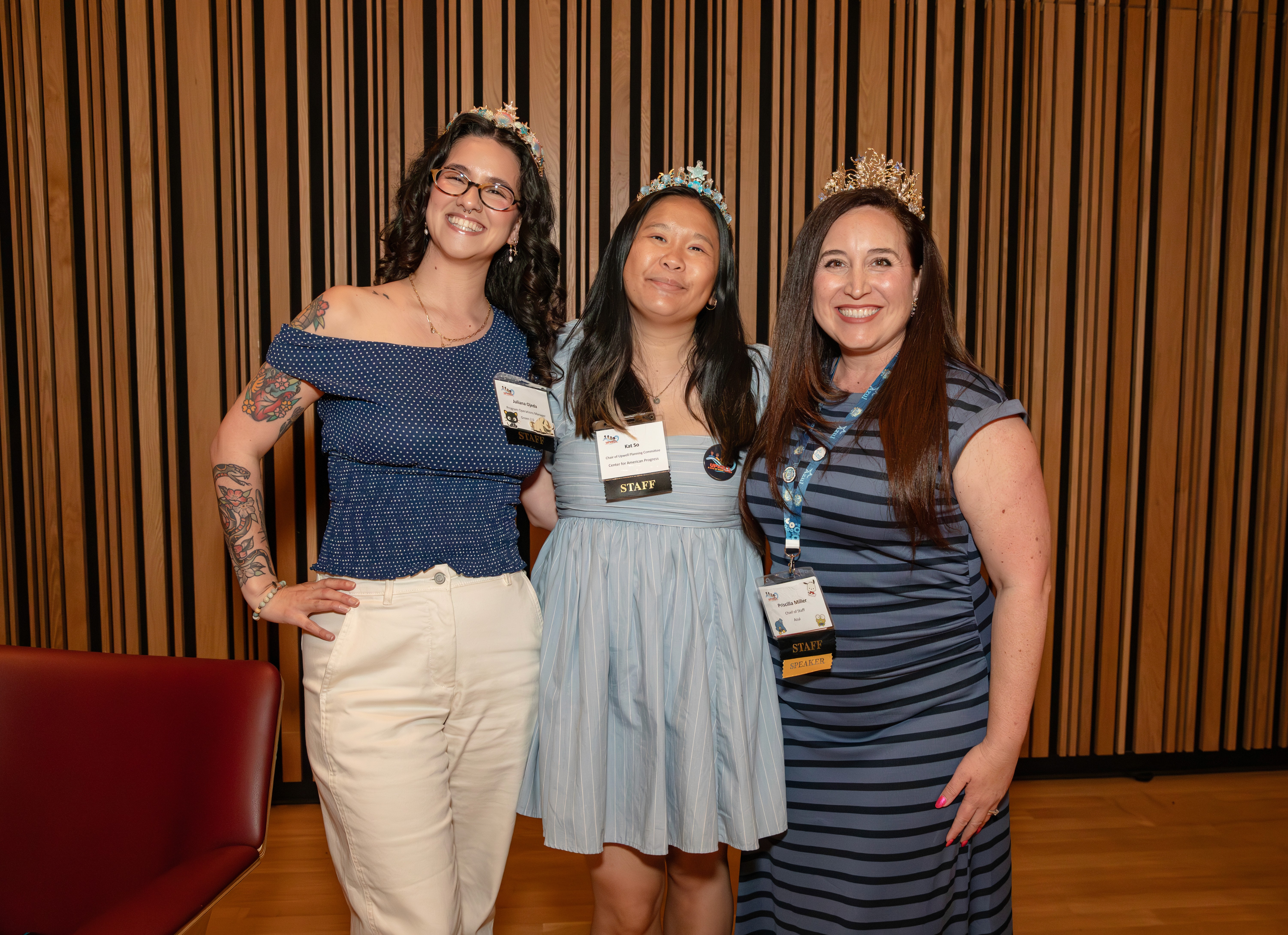
Photo: (left to right) Incoming 2027 Upwell Deputy Chair Juliana Ojeda, 2027 Upwell Chair Priscilla Miller, and 2026 Upwel Chair Kat So
This shared leadership defines our path forward. During his closing remarks, Angelo Villagomez captured the defiant and hopeful spirit of the entire gathering: “We are still here. We belong in these rooms. We are still rising. And we are just getting started.”
Upwell 2026 has set the stage for what is to come, and the impact is already being felt in the renewed purpose of its participants. Lia Escober, NOPC, captured this energy, sharing that she left the event “feeling inspired and excited to continue the work to protect the ocean.” Similarly, Virginia Delgado, Hispanic Access Foundation, echoed a sentiment that strikes at the very heart of this movement: “I left the conference feeling confident that I belong in ocean conservation.”
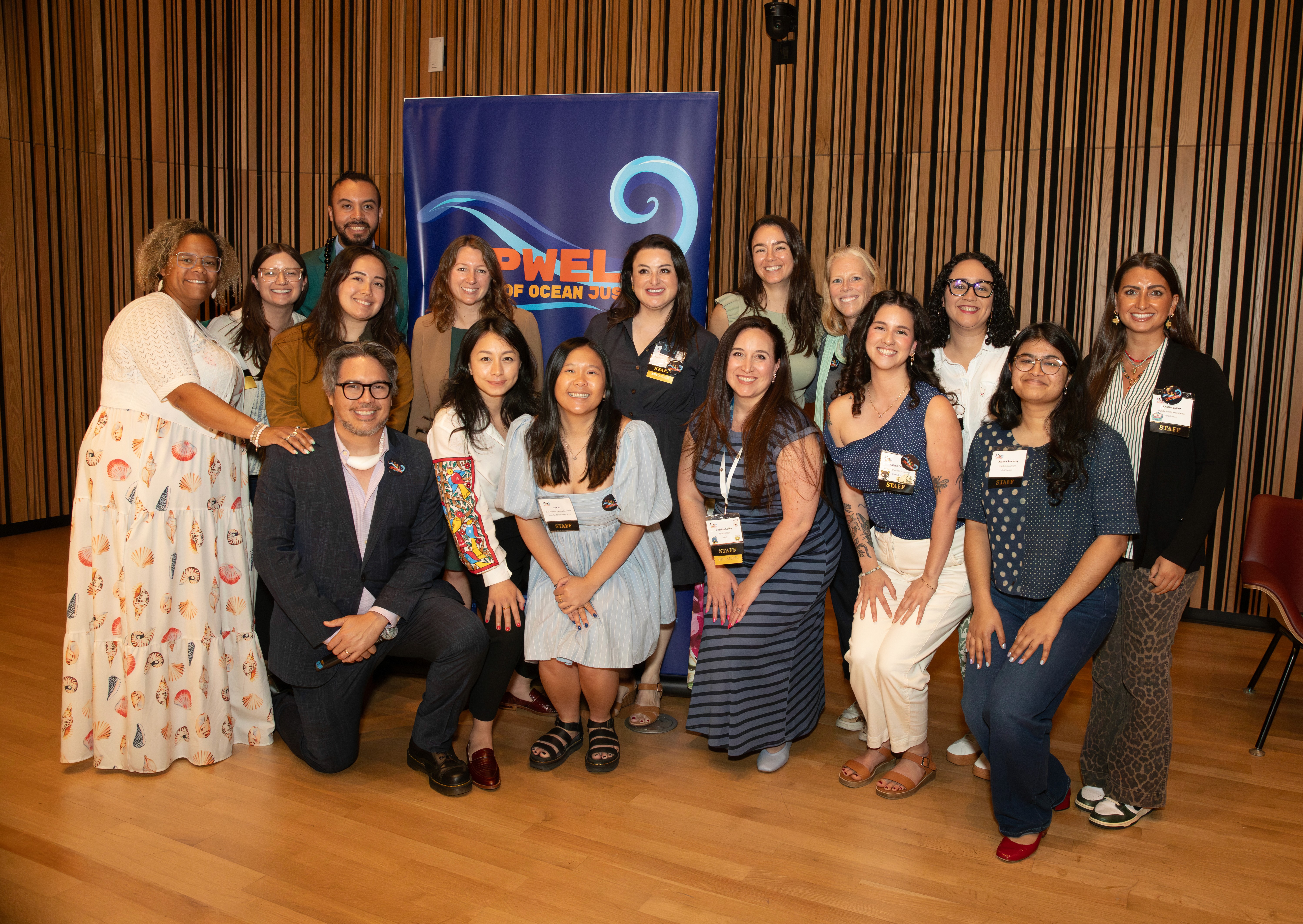
Photo: Planning committee members and co-hosts of Upwell (front, left to right) Angelo, Jenisha, Kat, Priscilla, Juliana, Aashna, (middle, left to right) Ayana, Adi, Raiana, Valerie, Marcela, Basia, Sarah, Adriane, Kristin, and (back) Mark
As we look toward Upwell 2027, we carry this confidence with us, united by the knowledge that we are not just working for the ocean—we are building a movement that ensures everyone has the power to protect it.
