Feb 26, 2026
Author: Haleemah Atobiloye
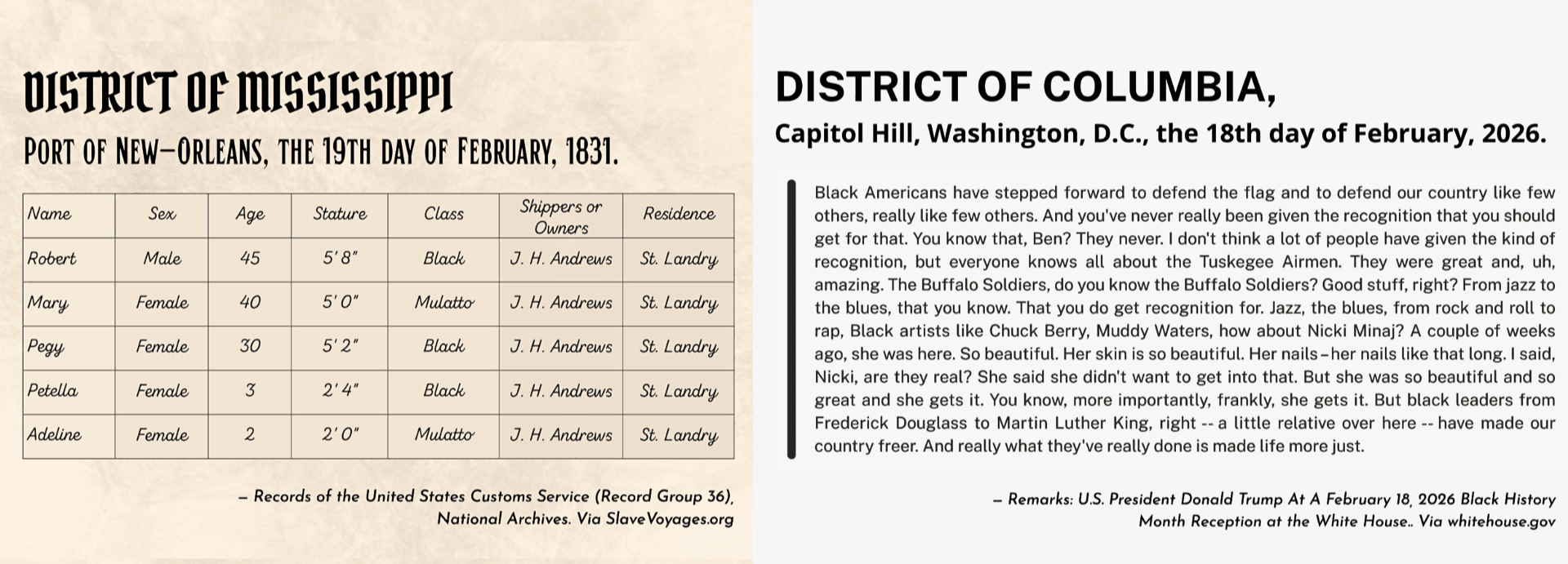
Adeline. Female. Two years old. Two feet tall. Mulatto. Cargo.
Pegy. Female. Thirty years old. Five feet two inches tall. Black. Cargo.
Adeline and Pegy were two of five enslaved people whose names appear in one of the many slave manifests filed by the United States Customs Service.
Twenty-four hours before the 195th anniversary of Adeline and Pegy being loaded onto the Schooner Nelson, inventoried as cargo, and shipped from the port of New Orleans, the 47th President of the United States took the stage at a White House Black History Month reception.
Speech after speech. Trump doing the dance of inclusion that his fellow politicians do more smoothly. Inviting his Black comrades onstage. Listing off the names of prominent Black figures. Proving he knows them. Proving he is accepting.
Good stuff, right? Hours after watching, that’s the phrase that kept bothering me.
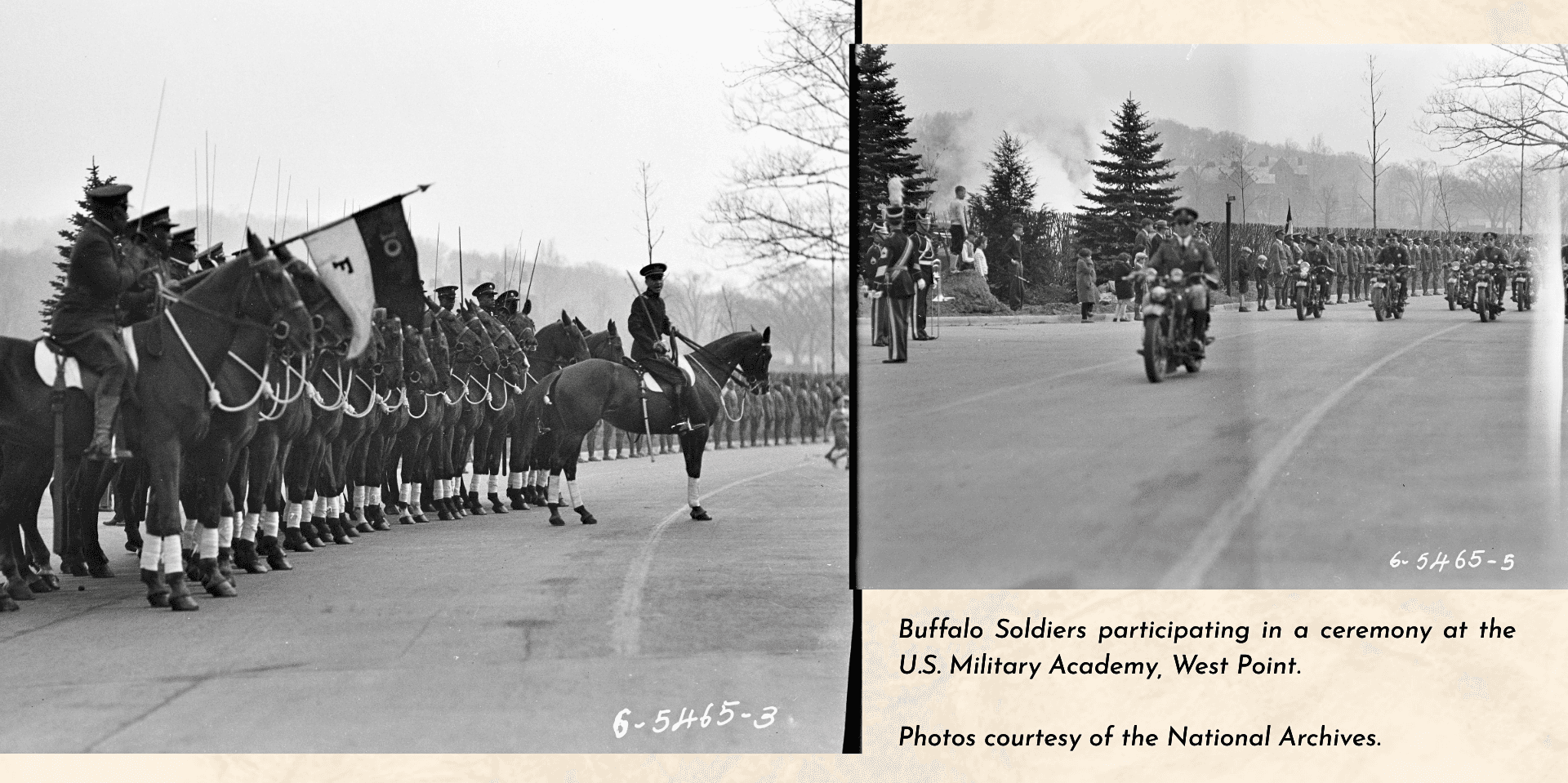
Good stuff, right? That was Trump's response when the crowd hollered at his mention of the Buffalo Soldiers.
Good stuff, right? That is how the Buffalo Soldiers were summed up. Black men assigned to protect American lands they were not permitted to enter. Remembered in three words and moved past.
I watched the entire performance. I watched it wondering about the lives of these soldiers, outside labor. About what became of Adeline. Was she allowed to play outside on her own terms? Did she make it past two? How does Pegy feel about water? The ocean? Land? Was she Adeline's mom?
The history of Black Americans' relationship with land, water, and well-being continues to be told incompletely: siloed, falsified, dehumanized, or simply ignored.
BLACK HISTORY IS AMERICAN HISTORY
The theme for Black History Month 2026 is "A Century of Black History Commemorations." The Association for the Study of African American Life and History, the founding organization of Black History Month, urges us to "explore the impact and meaning of Black history and life commemorations in transforming the status of Black peoples in the modern world."
Black environmentalists have long stood at the frontlines. Their work has always shown that nature, justice, and health are the same fight. Now, as the American government and powerful elites actively work to erase significant parts of this nation's history, it is more important than ever to acknowledge the people who laid the foundation.
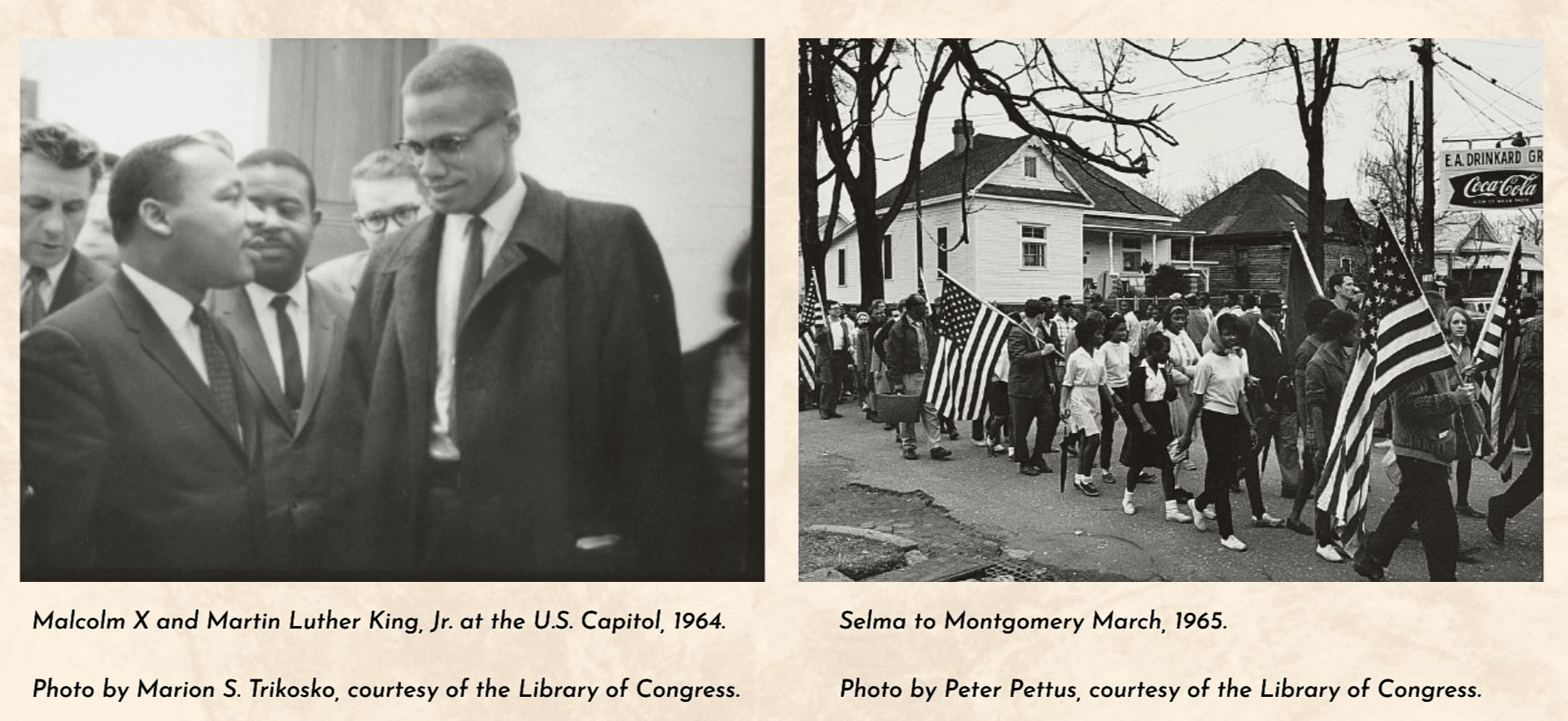
Reverend Dr. Martin Luther King, Jr. worked to achieve justice for all Americans. As of January 2026, the Trump administration removed Martin Luther King Jr. Day and Juneteenth from fee-free days at national parks. King is also one of the few African Americans honored with a national park. The Martin Luther King, Jr. National Historical Park in Atlanta, Georgia takes visitors through the home of King's birth and the community where he grew up during legalized segregation.
This erasure is not abstract. The National Parks Conservation Association reported that "acting under duress, the National Park Service in January [2026] dismantled the President's House exhibit at Independence National Historical Park in Philadelphia, which explored the lives of enslaved people at President George Washington's residence. The exhibit was developed collaboratively by the Park Service, City of Philadelphia and key community leaders, including descendants of the people enslaved there. The City of Philadelphia quickly sued the administration in response to the dismantling."
Black history IS American history. Our water, air, and land belong to ALL of us.
The deliberate erasure of Black Americans' histories, identities, and sense of self needs to stop.
RECLAIMING THE NARRATIVE: ALL BLACK AMERICANS DESERVE TO BREATHE HEALTHY AIR, HAVE UNRESTRICTED ACCESS TO PUBLIC LANDS, AND THRIVE
Taking the baton that has been passed for over a century, Black people continue to observe, document, and steward our environment.
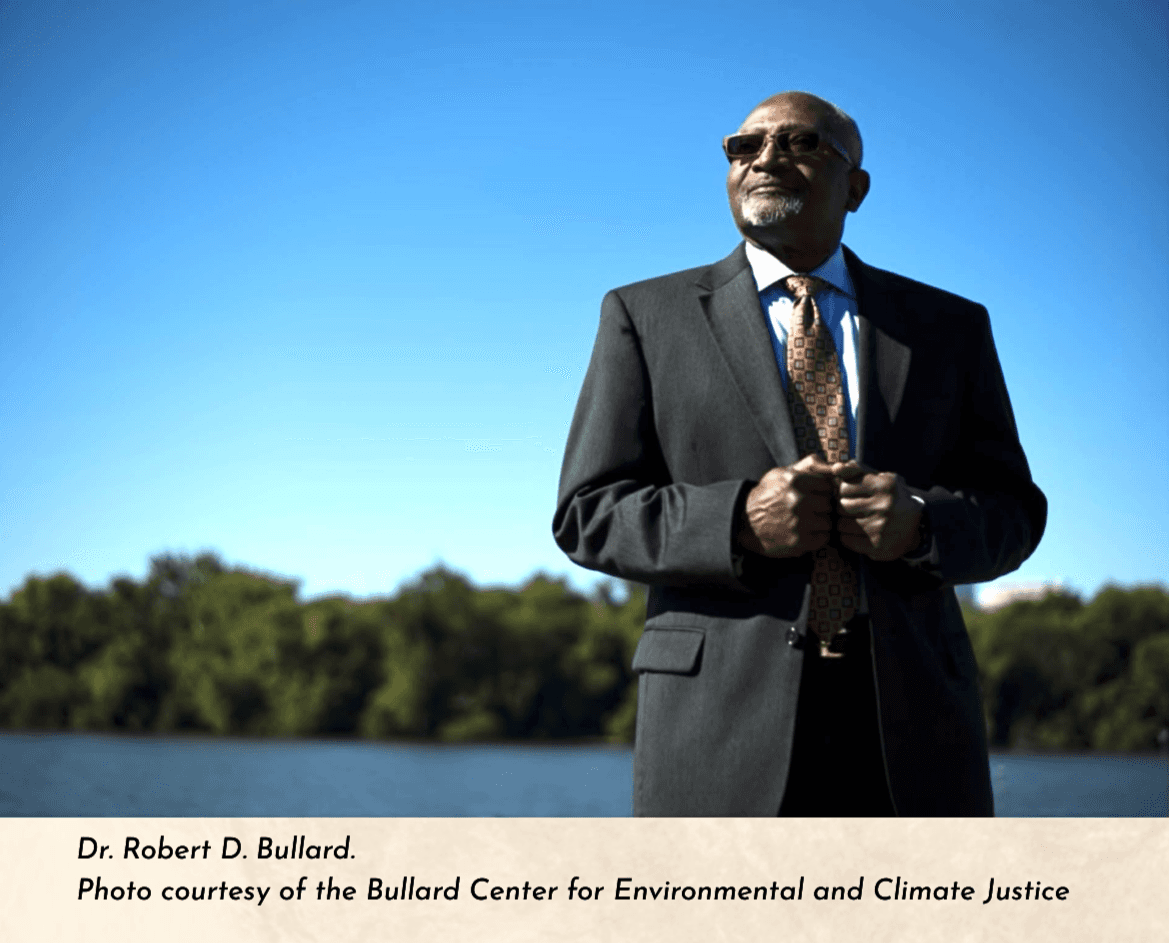
Dr. Robert Bullard, often called the father of the environmental justice movement, has been documenting the relationship between Black Americans and their environment since the 1970s. His work provides the evidence for what Black bodies and lived experience already know: America is segregated and so is pollution. Race and class still map closely with unequal protection and vulnerability.
The zip code a Black child is born into today is still the clearest predictor of how long she will live, what she will breathe, whether the water from her tap will make her sick. Nsedu Obot Witherspoon, co-chair of the America the Beautiful for All Coalition (AtB4A) steering committee and executive director of the Children's Environmental Health Network, carries this data into every room she enters. She knows that the babies, especially the ones with skin like hers, skin with higher levels of melanin, have a right to breathe air that doesn't burn their lungs. A right to water that doesn't poison. A right to greenspace and open sky. A right to a future that is not cut short by the geography of their birth.
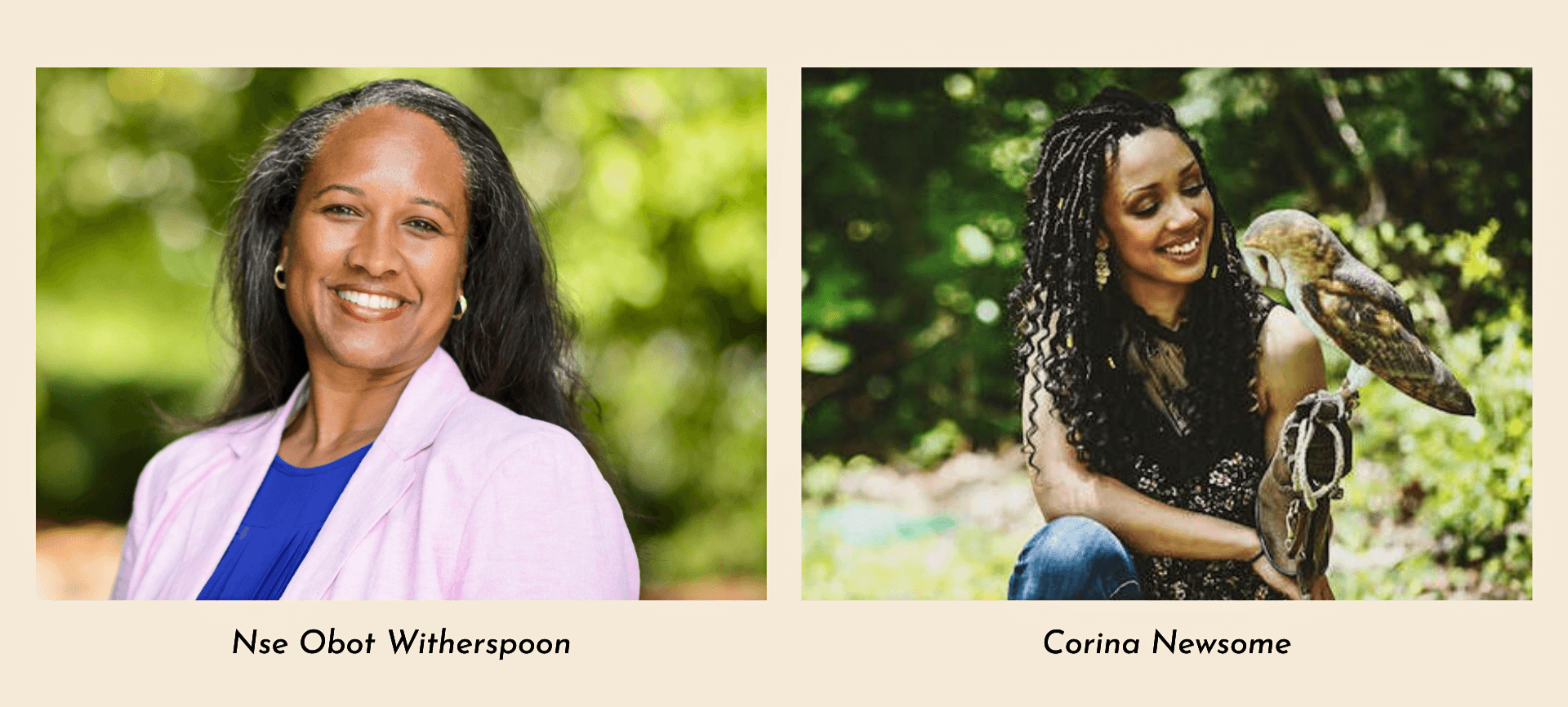
"Black people have been leaders and trail blazers in the natural sciences, conservation, and outdoor exploration” says Corina Newsome, AtB4A's Wildlife Workgroup co-lead and ornithologist. She’s determined to increase Black communities’ access to conservation science, policy, and practice, and to ensure the next generation of conservation leaders see themselves strongly represented in the movement to equitably steward nature.
Jasmin Graham has deep familial roots in South Carolina. She serves as AtB4A's Policy Priorities and Campaigns co-lead and is the president of Minorities in Shark Sciences. She studies sharks, and she talks about the peace that comes with being out on the water. In a recent interview, Jasmin shared: "Both of my parents went to segregated schools for at least part of their schooling…Not that long ago, I effectively went to a segregated school, just not segregated by law. I think it's important for us to acknowledge and recognize the way that history has unfolded. And how that has created a lot of these barriers and issues…not only in science, but everything in society."
Jasmin also talked about her dad's side of the family in Myrtle Beach, South Carolina. The land they occupied was historically undesirable. It wasn't good farmland, and that's why they were allowed to live there. Many years later, when beaches became desirable, tourism and development followed. Infrastructure cut off access to the ocean, and with it, access to food for the fishing families in that neighborhood.
Gentrification and the loss of food access in predominantly Black communities is a consistent pattern in America. The USDA's own records confirm that Black farmers were systematically prevented from owning land for more than a century after the Civil War. Through deliberate policy. Not neglect.
Many leaders in these communities continue to advocate against further systemic neglect. Kenya Crumel, our Legacy Lands workgroup co-lead, is one of them. Kenya leads committees and councils composed of Black farmers, land stewards, homesteaders, and advocates. She came to this work because she wanted to dismantle root causes, not apply temporary fixes.
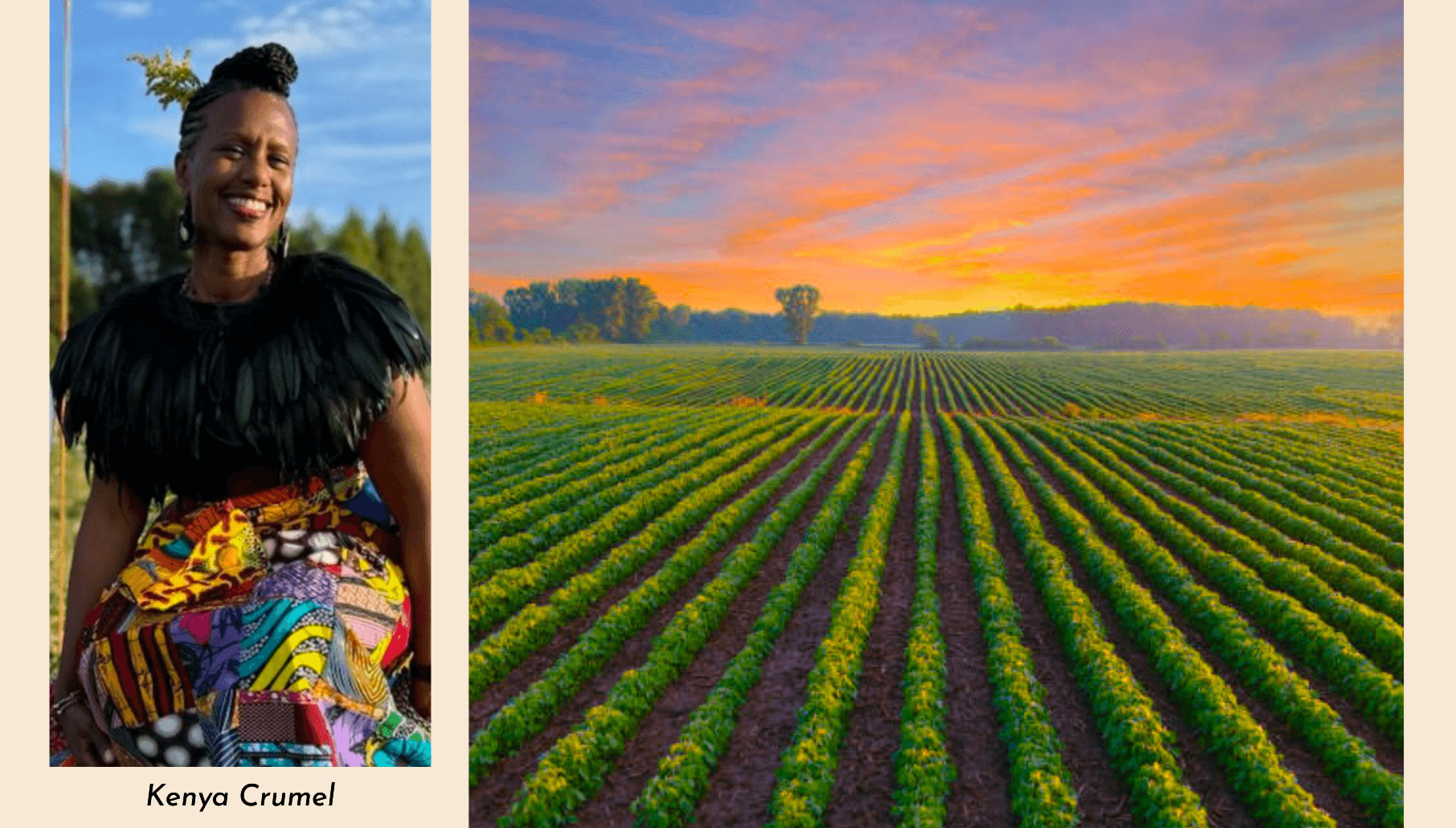
Kenya works in the gap between what was promised and what was delivered, which is a gap measurable in acreage, and she does it with a precision and patience that I suspect comes from understanding that the people who created the gap were also precise and patient.
We are not cargo.
We are not just good stuff.
We are fellow stewards of this land. And we are not going anywhere.
