Dec 7, 2025

For years, the members of Together for Brothers - a group rooted in community, heritage, and equity - have taken shared trips to national park monuments. On those journeys, brothers of color (often accompanied by their mothers) from across cities came together to hike, breathe in mountain air, and stand on sacred land etched long before colonial maps.
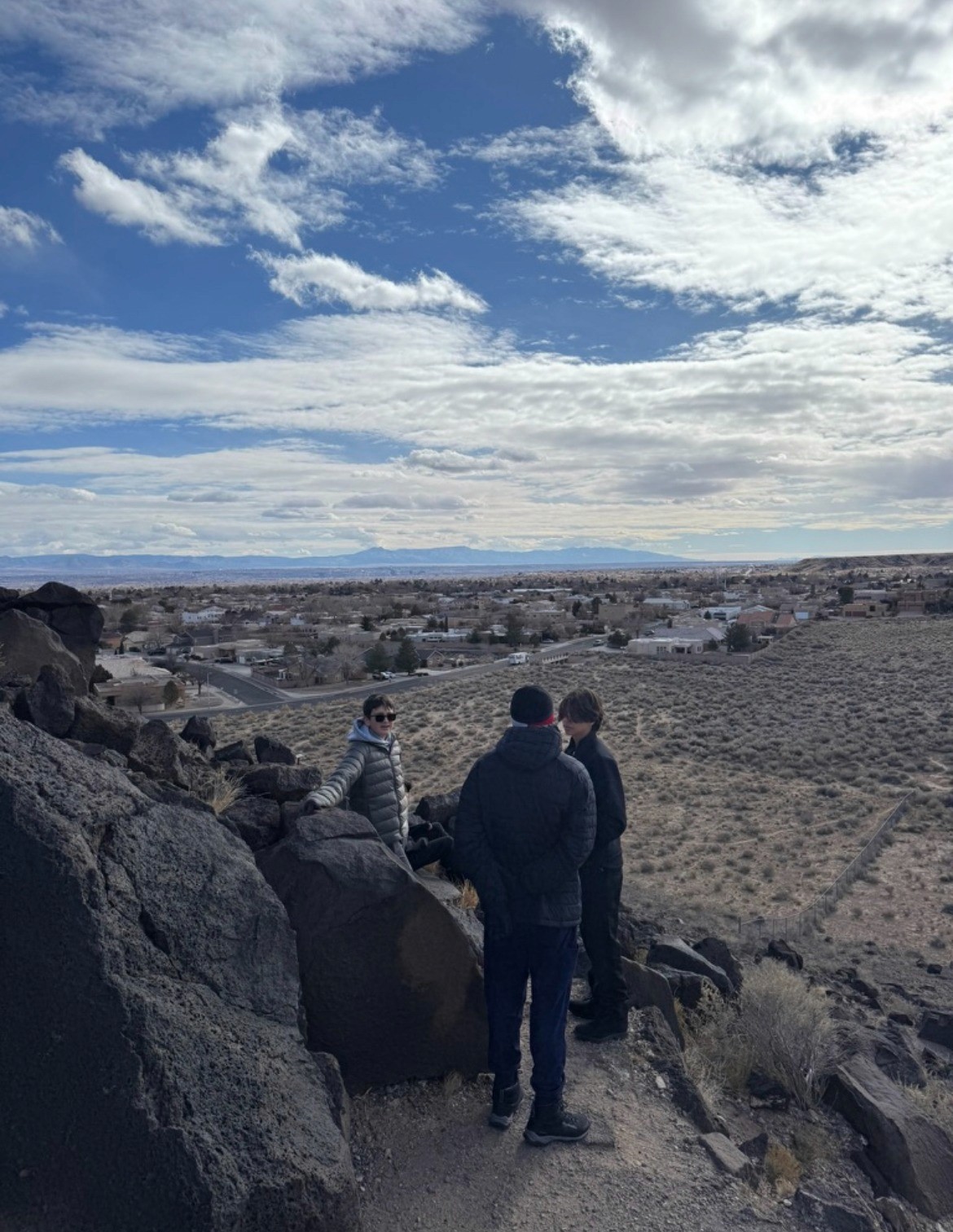
Together for Brothers (T4B) is based in New Mexico, an area renowned for its incredible natural beauty. Sun-blasted mesas rise like ancient altars, painted in russet, gold, and lavender. Vast deserts stretch into a shimmering horizon, broken by clusters of sagebrush and the silent geometry of distant mountains. In White Sands National Park, dunes of pure gypsum glow like moonlit waves even under the midday sun. At Carlsbad Caverns, the world turns inward; cathedral-sized chambers are draped with stone formations that feel older than time itself. And in Bandelier and the volcanic fields of Valles Caldera, quiet forests, high meadows, and ancestral cliff dwellings weave together the deep story of a place where nature and history meet in breathtaking stillness.
Part of T4B’s work involves facilitating brothers’ connections with nature. They visit volcanic ranges, desert mesas, and culturally preserved monuments that many brothers had never known existed. Living primarily in industrial cities and urban spaces means that access to nature isn’t as easy as it used to be. City pollution and tarmac roads are more familiar to most than the wider landscapes of natural wonder. For many brothers, these trips to national parks aren’t only a connection to earth, air, and water; it is also a reconnection to identity, ancestors, and the kind of collective liberation that seldom exists in concrete jungles or housing estates.
“There were moments of pure appreciation, of deep reverence,” says Christopher Ramirez, a leader at Together for Brothers. “Young men learning from Indigenous elders, learning from the land and the sky,feeling the weight of history and the possibility of freedom. Many had never seen spaces like that before.”
These trips can act as forms of reclamation; of access, dignity, community, and spiritual grounding. Parks that once felt distant and reserved for some became open, free, and welcoming. They also provide the space, both physically and mentally, for deep connection between brothers. Nature can help us strengthen bonds and deepen community ties by reflecting what is truly important; by quite literally allowing us to see the bigger picture.
A Change at the Top: Free Days Removed
But now, that access is under threat. In late 2025, the National Park Service (NPS) - under the direction of Donald J. Trump’s administration - quietly stripped away free entry to national parks on both Martin Luther King Jr. Day and Juneteenth. These had been fee-free days since 2018 for MLK Day and added more recently for Juneteenth.
In their place? A new “resident-only patriotic” calendar full of days tied to former presidents - including Trump’s own birthday on June 14.
This is more than just a scheduling decision: it’s a shift in what kind of history gets honored, and more importantly, who gets honored.
What This Means for Our Communities
For an organization like Together for Brothers, the change is deeply personal and symbolic. The free-entry days of MLK Day and Juneteenth weren’t arbitrary: they represented powerful moments of collective memory and struggle, that of civil-rights leadership, emancipation, and hope. Removing those days sends a message that those histories and the communities tied to them are no longer part of the national priority.
Christopher shares how this action feels like a direct attack on underserved communities and communities of color. When access to nature becomes a luxury - especially to places that hold history, ancestral importance, and spirit - it’s not just about money. It’s about dignity and value.
For many brothers and their families in under-resourced neighborhoods, Christopher explains, public parks aren’t easily accessible. Public transport doesn’t reach multiple of the public parks in Alberquerque, New Mexico, where T4B is based. Consequently, T4B usually has to rent a minivan to get the brothers to the mountains. Adding further barriers by removing several free access days is far from an improvement.
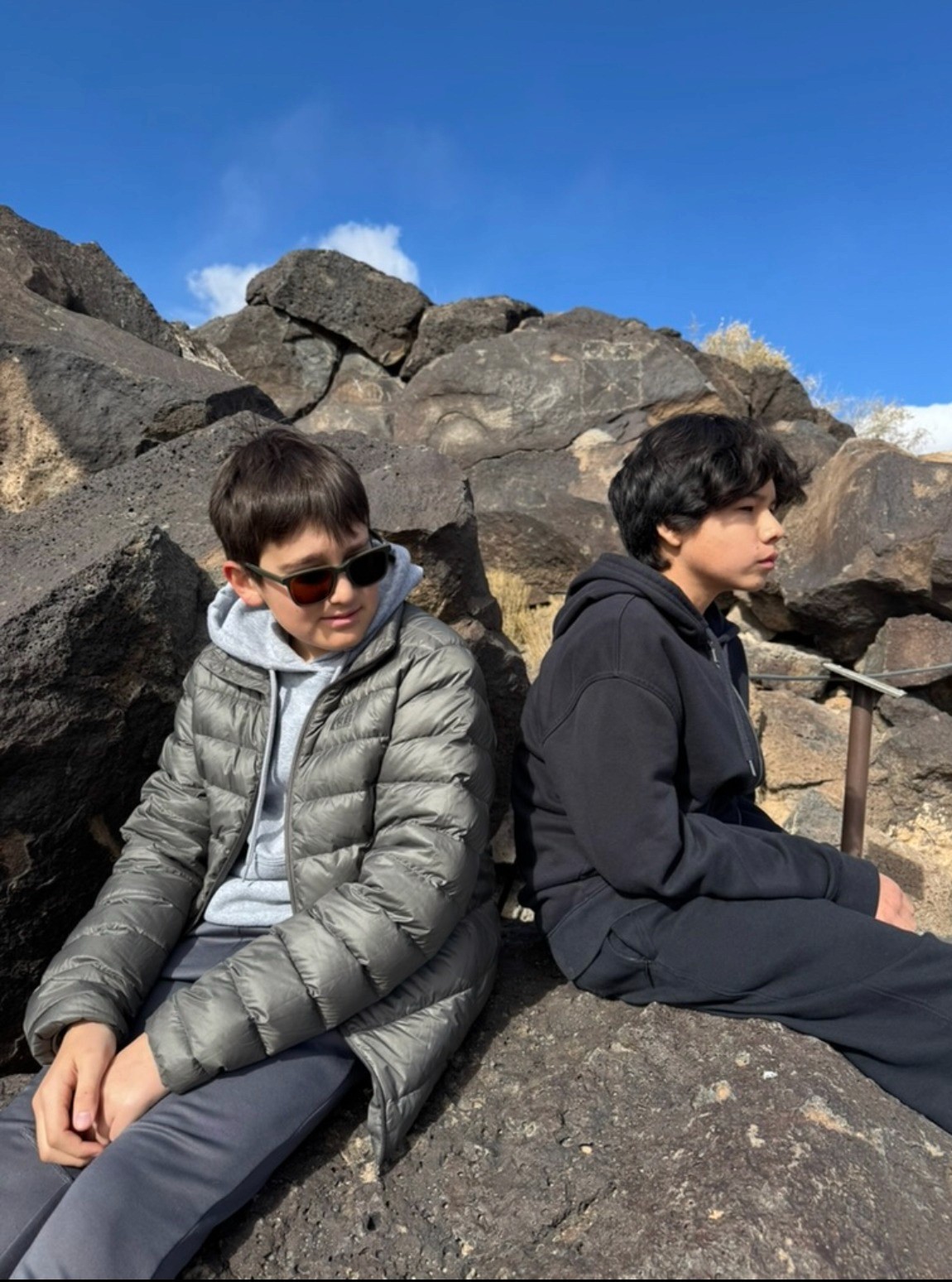
But again, the heart of the issue isn’t necessarily the financial barrier of access on previously free days, but the choice of which access days have been removed that really drives the dagger. “What matters,” Christopher says, “is not eliminating all free days, it’s eliminating the ones that mean something to us.”
He fondly recalls the recent 2025 hike, where younger brothers and their mothers united in peaceful admiration at the rocks that had been so diligently carved by Indigenous hands centuries ago. The quiet, reverent reflection among the group was humbling. Elders shared the importance of land before capitalism tried to commodify and control it. Young people could breathe in deep, feeling both grounded and free.
That freedom now feels under threat.
Broader Implications
The argument from the Department of Interior (DOI) and park officials is that the new fee structure is meant to modernize access, including the use of digital passes, new resident-focused pricing, prioritising US taxpayers, and charging non-residents more.
However, for many advocates, this is a veneer of “accessibility”. It hides a deeper exclusion, especially for communities of colour, immigrants, and those with fewer resources. Removing holidays like MLK Day and Juneteenth from free-fee calendars erases paths to nature that were once intentionally opened for reflection, liberation, and connection.
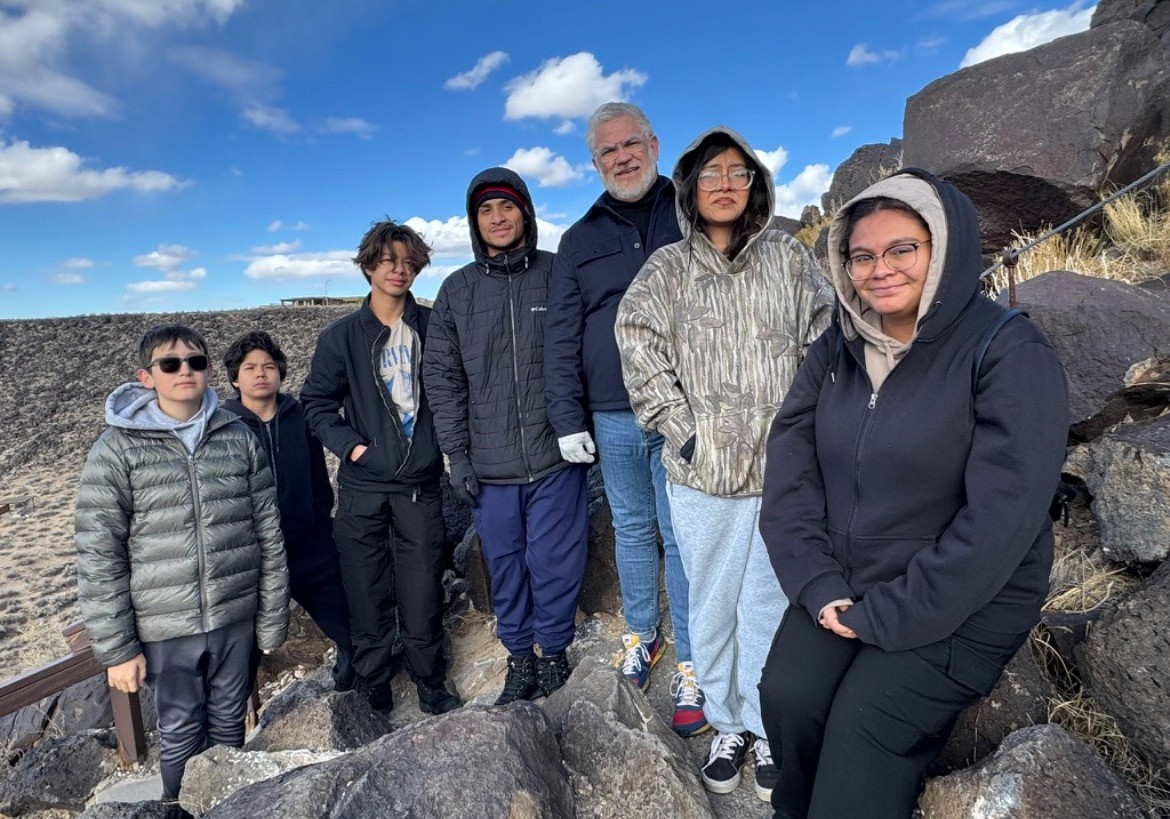
For communities like those served by Together for Brothers, national parks were more than recreational spaces. They were living classrooms, places of healing, spaces for intergenerational storytelling and reconnection with the earth and its original caretakers.
Access to land, open skies, ancestral stories - those are not luxuries. They are freedoms. Our connection to nature is vital; we must protect it and ensure that access is equitable, just and respectful of history.
Thank you to Christopher Ramirez and the T4B community for sharing their story.
This story was shared with permission. The storyteller maintained editorial review rights over their narrative.
