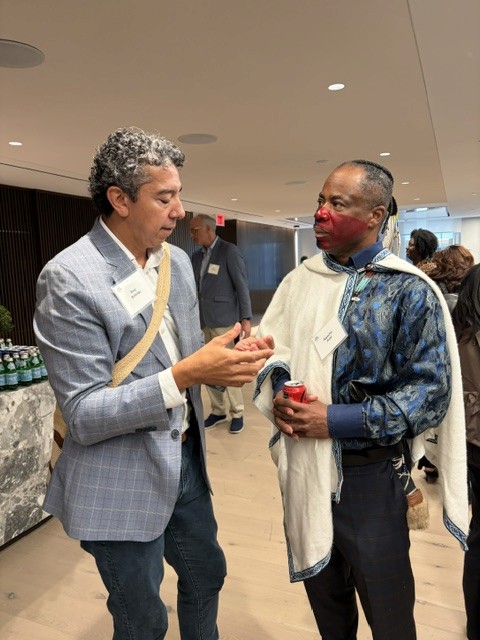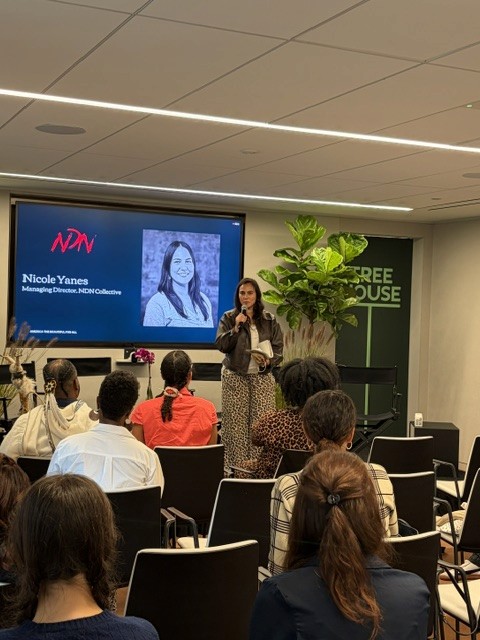

We released our new, justice-centered action plan for private land conservation, co-designed by farmers, ranchers, tribal leaders, land trust practitioners, and organizers who live this work.

LEGACY LANDS WORKGROUP
Who writes the next 250 years of this land?
In the 250th year since the Declaration of Independence, about 60 percent of land in the United States still sits in private hands: farms, ranches, forests, family plots.
Indigenous nations have lost 98.9 percent of their historical land base since colonization began. Black farmers have lost land valued at $326 billion, from 16 million acres in 1910 to fewer than 5 million today. Latinos make up 78 percent of the people who labor on farms in the United States and 3 percent of the people who run them.
And still, developers force partition sales that carve heirs' farms into pieces for the highest bidder. The federal government has cut nearly a quarter of NRCS field staff, the people who help small farmers, urban growers, and farmers of color conserve their land, leaving 141 counties without a single conservation employee.
So who keeps that land, and who is pushed off it, will decide what the next 250 years look like.
Our answer remains: ALL OF US.
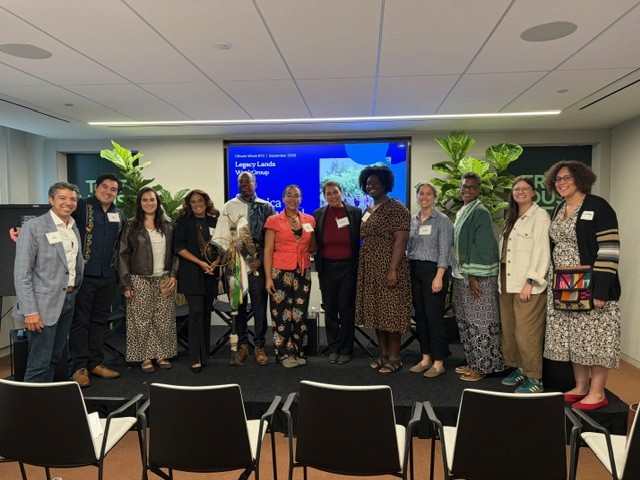
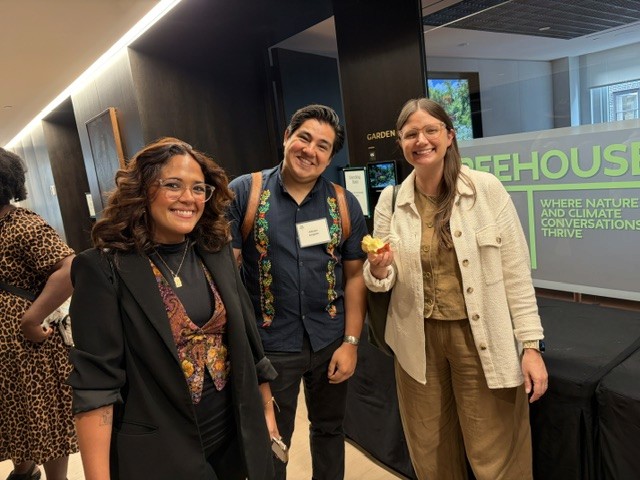
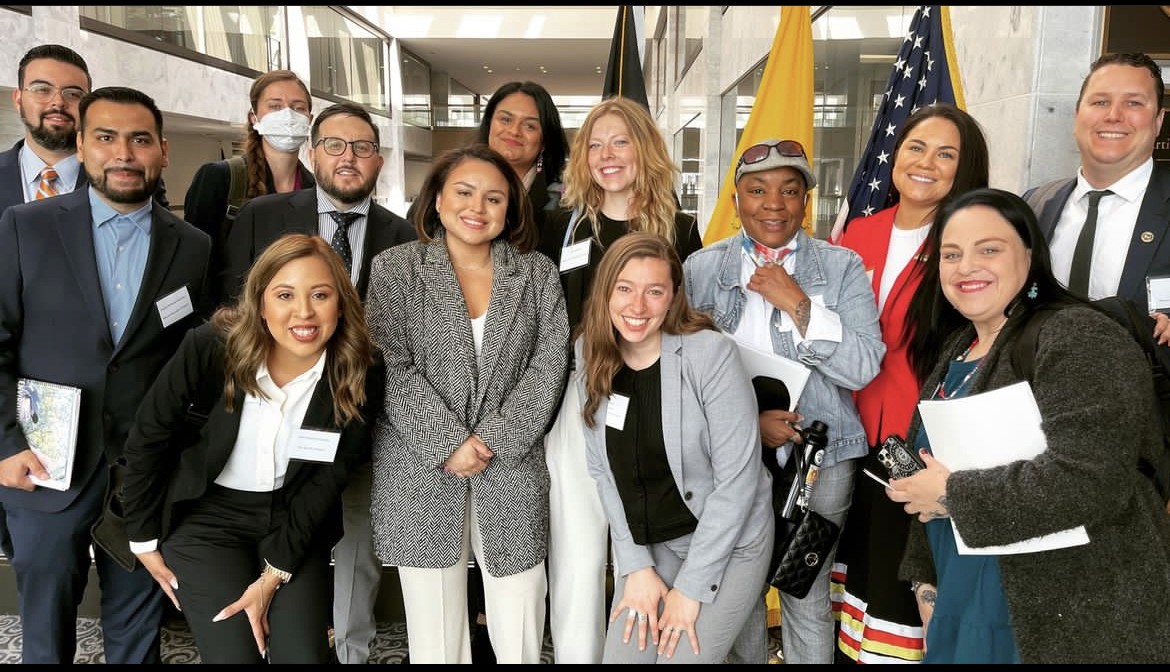
Who was in the room
Principal Araf Al Ndee Al Apache (Piscataway Indian Nation/ Billy Tayac Indigenous Conservation Foundation)
Jennifer Dudley (Piscataway Indian Nation/ Billy Tayac Indigenous Conservation Foundation)
Bray Beltrán (Kinship Now)
Nayda Bobonis Cabrera (FURIA Inc)
Kenya Crumel (National Black Food and Justice Alliance)
Adrian Angulo (Nuestra Tierra Conservation Project)
Jasmin Graham (Minorities in Shark Sciences)
Mark Magaña (GreenLatinos)
Shantha Ready Alonso (America the Beautiful for All Coalition)